Cart
0
You may also like


Seeing extra strands of hair on your pillow, in the shower drain, or tangled in your brush can feel incredibly frustrating. If you notice your hair thinning or your ponytail feeling lighter than it used to, you are not alone. Many men and women across Pakistan deal with hair shedding, weak roots, and damaged hair every single day. Between the humid climate, increasing pollution, and the hard water running through our taps, maintaining a healthy scalp requires extra care.
Finding an effective hair fall treatment starts with understanding exactly why your hair is shedding in the first place. Once you identify the root causes of hair loss, you can build a natural hair care routine that actually works. We will break down the science behind hair growth, explore the most common hair loss causes, and provide practical, expert-backed solutions to help you regain your hair's strength and density.
Before looking for a hair fall treatment, it helps to understand how your hair actually grows. Your hair goes through three distinct phases:
Anagen (The Growth Phase): This phase lasts anywhere from two to seven years. During this time, your hair actively grows from the roots.
Catagen (The Transition Phase): Lasting about two to three weeks, hair growth slows down, and the hair follicle shrinks.
Telogen (The Resting Phase): This phase lasts around three months. The old hair rests while a new hair begins to form beneath it. At the end of this phase, the old hair falls out to make room for the new one.
Shedding 50 to 100 strands a day is a completely normal part of the telogen phase. However, when a sudden shock, nutritional gap, or environmental factor pushes too many hairs into the resting phase at once, you experience noticeable hair thinning.
Understanding the specific triggers behind your shedding is the first step toward better scalp health. Here are the leading causes of hair breakage and shedding.
Physical or emotional stress can push your hair follicles prematurely into the resting phase, a condition known as telogen effluvium. Whether you are dealing with a demanding job, exams, or personal challenges, stress and hair fall are deeply connected.
Your hair is made primarily of a protein called keratin. Protein deficiency and hair fall go hand-in-hand. If your daily meals lack adequate protein, iron, and essential vitamins, your body will restrict nutrients from your hair to support essential organs instead.
Fluctuations in hormones greatly impact your hair cycle basics. Many women experience severe post-partum hair fall after giving birth due to a sudden drop in estrogen. Thyroid issues and PCOS (Polycystic Ovary Syndrome) also contribute to significant hair thinning.
A healthy scalp is the foundation of healthy hair. Fungal infections, severe dandruff, and product buildup can clog your hair follicles. This leads to inflammation, making the roots weak and prone to falling out.
Frequent use of flat irons, blow dryers, and curling wands strips your hair of its natural moisture. This causes severe heat damage, leading to dry, brittle strands and eventual hair breakage.
Rebonding, keratin treatments, bleaching, and chemical dyes alter the internal structure of your hair. Over-processing your hair weakens the shaft, leading to snapping and long-term damaged hair.
The Pakistani climate and haircare routines often clash, especially when hard water is involved. Hard water contains high levels of calcium and magnesium. These minerals build up on your scalp, blocking moisture, making hair brittle, and accelerating hair loss.
Androgenetic alopecia, or pattern baldness, is hereditary. If your parents or grandparents experienced early hair thinning, you might be genetically predisposed to it.
How do you know when normal shedding crosses the line into a problem? Look out for these signs:
Your scalp is constantly itchy, flaky, or overly oily.
You notice a widening part or a receding hairline.
Your ponytail feels noticeably thinner.
You see clumps of hair falling out when washing or brushing.
Your hair strands break easily when gently pulled.
If you check multiple boxes on this list, it is time to upgrade your routine and focus on a targeted hair strengthening routine.
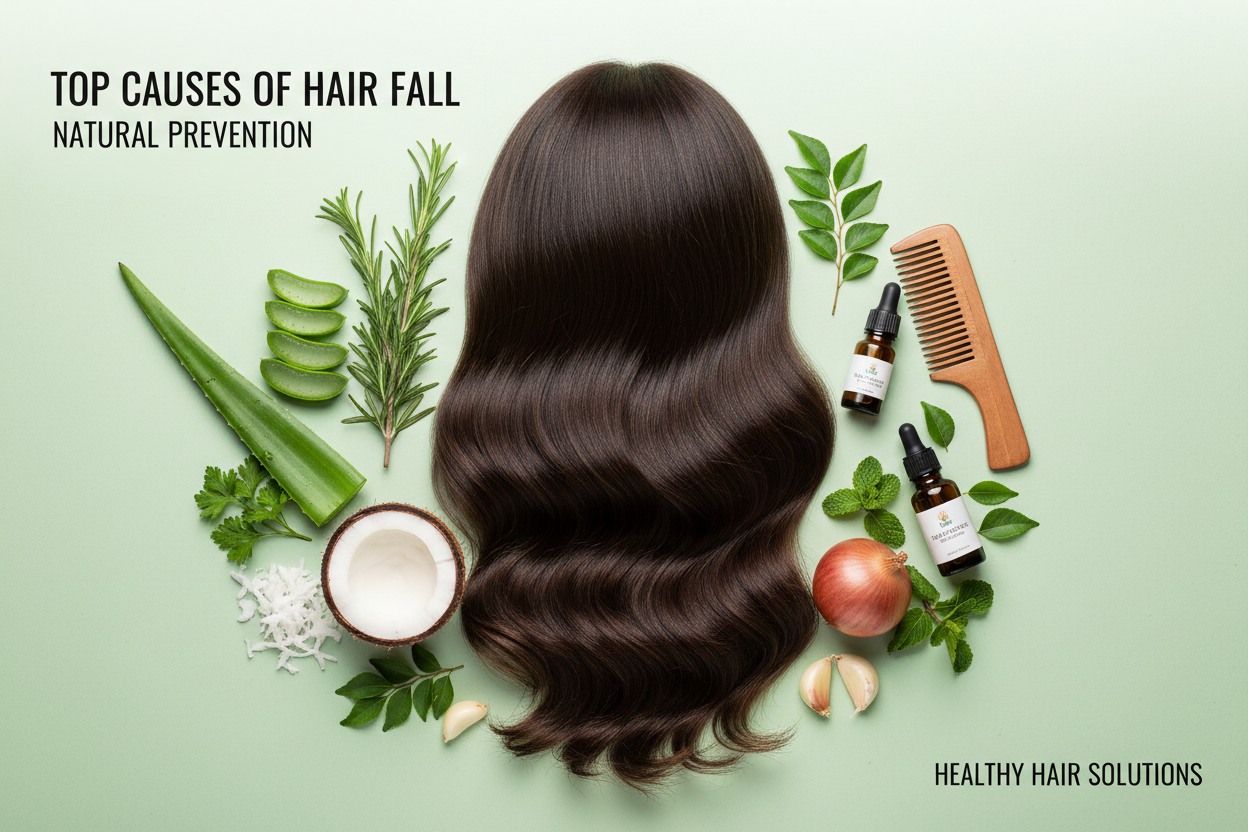
You do not need harsh chemicals to treat thinning hair. Nature provides powerful solutions to strengthen your roots and improve your scalp health.
Scalp Massages: Gently massaging your scalp for five minutes a day stimulates blood flow to the hair follicles, delivering vital oxygen and nutrients.
Rosemary Water or Oil: Rosemary has been scientifically shown to support hair density by improving cellular generation.
Aloe Vera: Applying fresh aloe vera gel soothes an irritated scalp, clears blocked pores, and balances the pH level.
Onion Juice: Rich in dietary sulfur, onion juice provides the extra nourishment needed to support strong, thick hair.
Adopting realistic, daily healthy hair tips will protect your strands from environmental damage, especially dealing with pollution and humidity.
Detangle gently: Always use a wide-tooth comb on damp hair, starting from the ends and working your way up to the roots.
Protect from the sun and pollution: Cover your hair with a silk scarf when stepping out into heavy traffic or harsh sunlight.
Limit excessive oiling: While oiling is a great tradition, leaving heavy oils on your scalp overnight can trap dirt and worsen dandruff. Oil your hair for just one to two hours before washing.
Use lukewarm water: Washing your hair with hot water strips away natural oils. Stick to lukewarm or cool water to seal the hair cuticle.
A good anti hair fall shampoo sets the stage for a healthy scalp. When browsing the aisles, you want to avoid harsh sulfates that strip away moisture. Instead, look for science-backed ingredients:
Keratin: Helps to repair the damaged structure of the hair shaft.
Biotin: A B-vitamin that improves hair resilience and volume.
Niacinamide: Reduces scalp inflammation and regulates oil production.
Choosing a gentle, targeted cleanser helps wash away hard water minerals and pollution without compromising your skin barrier.
While shampoos clean the scalp, serums deliver concentrated active ingredients directly to the roots. A high-quality hair growth serum acts as a targeted treatment for thinning spots.
Caffeine: Stimulates blood circulation in the scalp and helps block the hormone DHT, which is responsible for follicle shrinkage.
Peptides: These amino acid chains act as building blocks, thickening the hair shaft and anchoring the hair firmly into the scalp.
Rosemary Extract: Works at the cellular level to prolong the active growth phase of the hair cycle.
Apply your serum consistently to a clean, dry scalp for the best absorption.
Topical treatments work best when supported by a balanced diet. Incorporate these nutrient-rich foods into your daily meals:
Eggs: Packed with protein and biotin, two essential nutrients for hair growth.
Spinach: A great source of iron, folate, and vitamins A and C, which help keep the scalp moisturized.
Lentils (Daal): A staple in Pakistani households, lentils provide zinc, iron, and plant-based protein.
Nuts and Seeds: Walnuts, almonds, and flaxseeds offer omega-3 fatty acids that add shine and strength to your strands.
Sometimes, stopping hair fall means stopping bad habits. Avoid these common mistakes:
Tying your hair too tightly: Tight buns and high ponytails cause traction alopecia, pulling hair straight out of the follicle.
Skipping conditioner: Conditioner restores moisture and smooths the cuticle. Never skip it, but keep it strictly on your hair lengths, away from the scalp.
Sleeping on wet hair: Hair is weakest when wet. Tossing and turning on damp hair causes severe friction and breakage.
Rubbing hair with a towel: Vigorously drying your hair with a rough cotton towel roughs up the cuticle. Gently squeeze out excess water with a microfiber towel or an old cotton t-shirt.
At Mistic Health, we focus on science-backed beauty and wellness solutions designed to help you achieve a healthier scalp and stronger hair. Our products feature safe, effective ingredients tailored for the unique challenges of our climate.
Mistic Health Anti Hair Fall Shampoo: Formulated with biotin and gentle cleansers, this shampoo clears hard water buildup and pollution while fortifying weak roots.
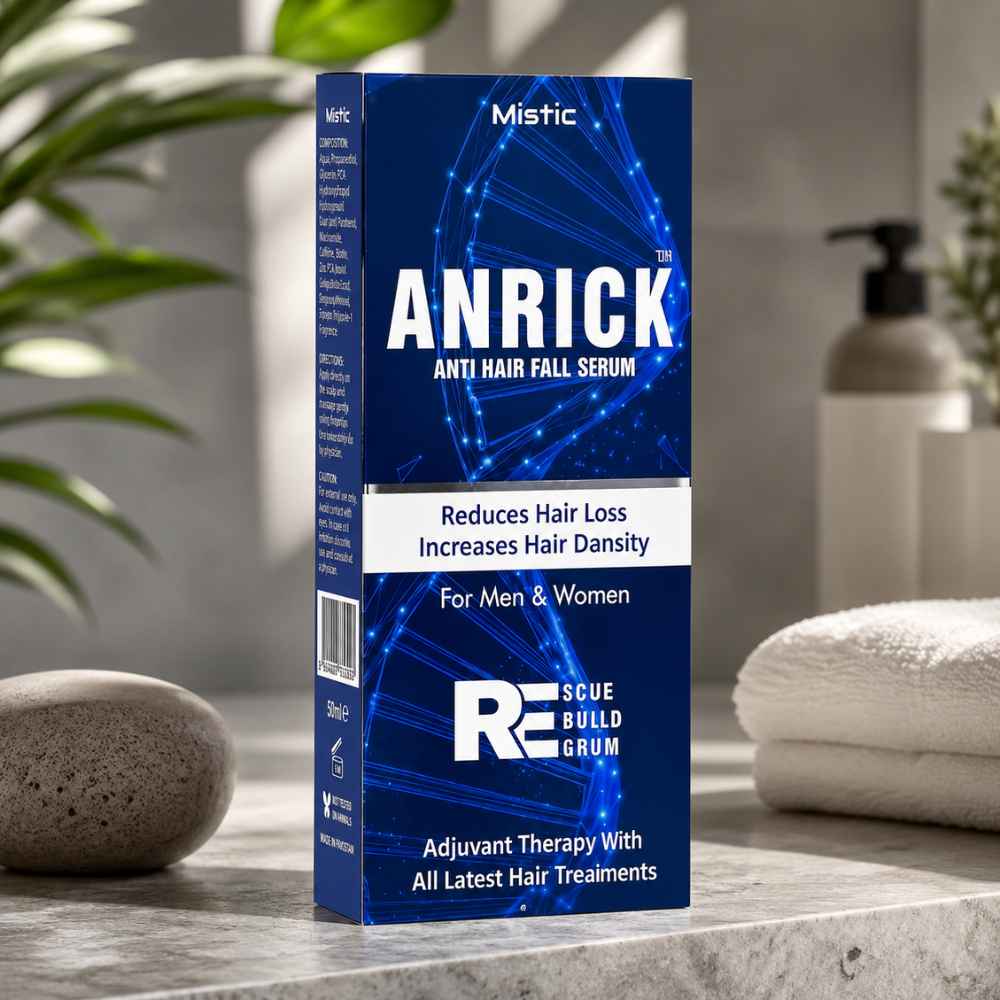
Mistic Health Hair Growth Serum: A powerful, lightweight blend of caffeine, peptides, and rosemary that targets thinning areas and promotes a longer growth phase.
Mistic Health Scalp Care Solutions: Designed to gently exfoliate the scalp, remove dandruff, and create the perfect environment for new hair to thrive.
Before incorporating any new product into your routine, we always encourage patch testing. Apply a small amount behind your ear and wait 24 hours to ensure you have no sensitivities.
What is the main reason for hair fall?
Hair fall is usually caused by a combination of factors, including stress, hormonal imbalances, nutritional deficiencies, and environmental damage like hard water and pollution.
Can hard water cause hair loss?
Yes. Hard water contains heavy minerals like calcium that build up on the scalp, blocking moisture and causing the hair strands to become dry, brittle, and prone to breaking.
How long does a hair growth serum take to work?
Results take time and vary by individual. Because hair grows slowly (about half an inch per month), you should use a hair growth serum consistently for at least three to four months to see visible improvements.
Is it normal to lose hair every day?
Yes, shedding 50 to 100 strands a day is a normal part of the hair growth cycle. It only becomes a concern if you notice bald patches, significant thinning, or large clumps falling out.
Can stress actually make my hair fall out?
Absolutely. Severe physical or emotional stress can shock your hair follicles, pushing them into the resting phase. This causes noticeable shedding a few months after the stressful event.
When should I see a dermatologist for hair loss?
You should consult a dermatologist if your hair loss is sudden, severe, accompanied by a rash or pain, or if you suspect an underlying medical condition like a thyroid issue.
Managing hair loss requires patience, the right knowledge, and a consistent routine. There is no magic potion that will grow hair overnight. However, by understanding the root causes—whether it is stress, hard water, or a nutritional gap—you can take actionable steps to restore your scalp health. Choosing a scientifically formulated hair fall treatment, improving your diet, and treating your hair gently will yield visible results over time.
Consistency is the secret to strong, healthy hair. If you are ready to transform your routine, explore the Mistic Health haircare range today and give your hair the nourishment it deserves.