Cart
0
You may also like


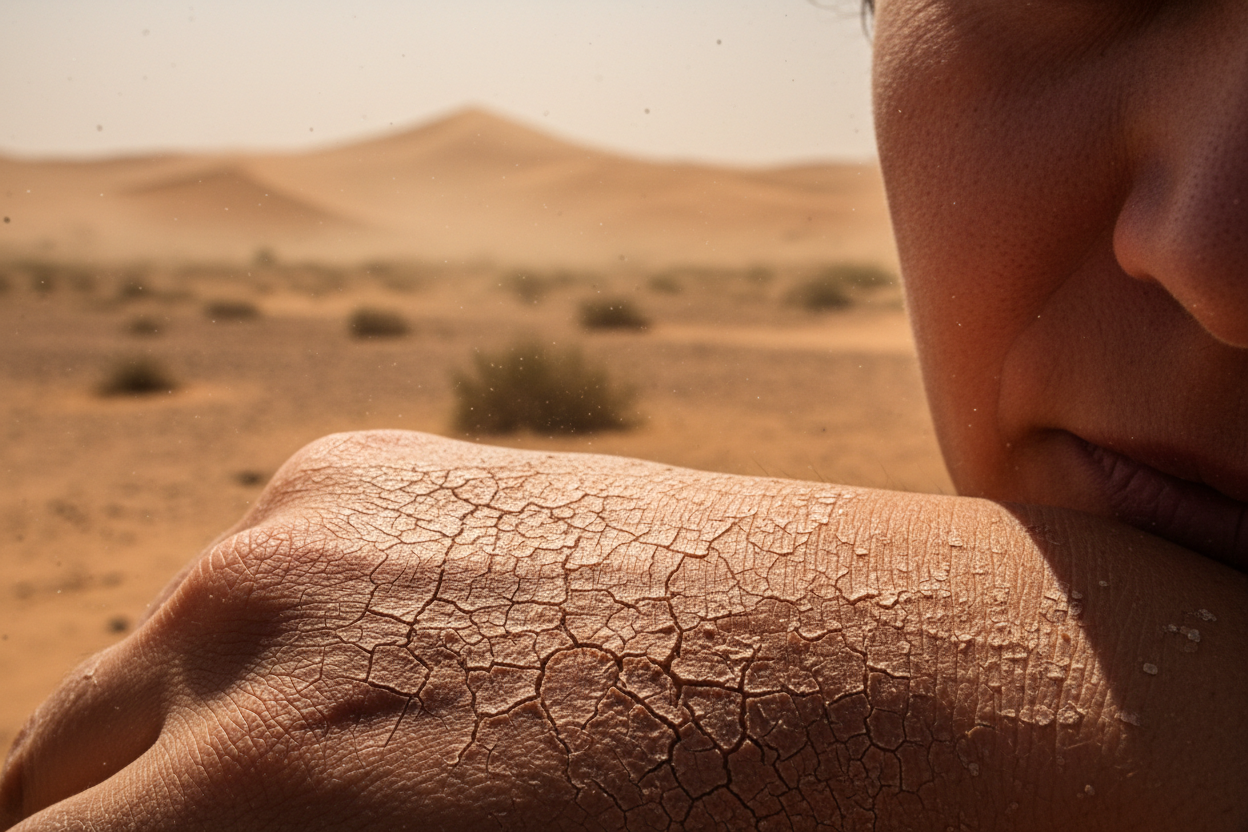
Do you ever wake up, look in the mirror, and notice your face looks dull, tired, and uncomfortably tight? If you live in Pakistan, you know the struggle is real. Between the harsh winter air, endless hours under the air conditioner during summer, and daily exposure to dust and pollution, your skin takes a massive toll. Fighting flakes and tightness can feel like a never-ending battle.
However, achieving soft, supple, and healthy skin is completely possible with the right approach. The secret lies in building a dedicated skin hydration routine that locks in moisture and repairs your skin barrier.
In this guide, we will walk you through everything you need to know to transform dry, flaky patches into a smooth, radiant complexion. Let’s dive into how you can give your skin the hydration it craves.
Before you start slathering on heavy creams, it is vital to understand exactly what your skin is experiencing. People often use "dry" and "dehydrated" interchangeably, but they mean two very different things in dermatology.
Dry Skin (Skin Type)
Dry skin is a genetic skin type. It means your skin does not produce enough natural oils (sebum). When you have a dry skin type, you likely experience flakiness, rough texture, and fine lines. This condition is persistent and requires oil-based products to replenish lipids.
Dehydrated Skin (Skin Condition)
Dehydrated skin is a temporary condition caused by a lack of water, not oil. Anyone can experience dehydration, even those with oily or acne-prone skin. Symptoms include dullness, tightness, exaggerated fine lines, and increased sensitivity.
Both conditions weaken your skin barrier—the protective outer layer that keeps moisture in and harmful irritants out. A compromised skin barrier leads to redness, irritation, and further moisture loss. Whether your skin lacks oil or water (or both), a proper skincare routine for dry skin will help restore balance.
Why does your skin feel so parched? Several local environmental and lifestyle factors contribute to moisture loss:
Extreme Weather: Pakistani winters bring cold, dry air that strips the skin of its natural moisture. Conversely, scorching summers lead to dehydration through excessive sweating.
Air Conditioning: Sitting in AC rooms all day during the summer sucks the humidity out of the air, leaving your skin severely dehydrated.
Harsh Cleansers: Many popular local soaps and face washes contain harsh sulfates that damage the skin barrier and strip away essential oils.
Pollution and Dust: High levels of smog and pollution trigger oxidative stress, breaking down the skin’s natural defenses and accelerating moisture loss.
Hot Showers: Bathing in steaming hot water during the winter melts away your skin's protective oils.
Building a solid daily regimen does not have to be complicated. Consistency and using the right ingredients are what truly matter. Follow these steps to achieve deeply hydrated skin.
The foundation of any healthy skincare routine is cleansing, but you must do it gently. Throw away tight, squeaky-clean face washes. If your skin feels tight after washing, your cleanser is too harsh. Opt for a creamy, non-foaming, or gel-based hydrating cleanser. Wash your face with lukewarm water—never hot—to preserve your natural oils.
After patting your face dry, apply a hydrating serum or essence while your skin is still slightly damp. Damp skin acts like a sponge, pulling the active hydrating ingredients deep into the epidermis. Look for serums packed with humectants, which grab water from the air and bind it to your skin cells.
Hydration provides the water, but moisturizing seals it in. You need a high-quality moisturizer for dry skin to trap the hydration and prevent transepidermal water loss (TEWL). Emollients smooth the skin cells, while occlusives create a physical barrier on top to lock everything down. Apply your moisturizer immediately after your serum absorbs.
Sun damage destroys the skin barrier, leading to rapid moisture loss and premature aging. No hydration routine is complete without broad-spectrum sun protection. Apply a hydrating sunscreen every morning, even if you stay indoors. The SUNSAVI SPF 50+ is a brilliant choice because it protects against harmful UV rays while keeping your skin calm and nourished without feeling heavy.
While you sleep, your skin enters repair mode. This is the perfect time to use richer, thicker products. Your nighttime routine should mirror your morning routine, minus the sunscreen. You can add a deeply nourishing night cream, facial oil, or a hydrating sleep mask to support cell turnover and wake up with a soft, glowing complexion.
When shopping for products, flip the bottle over and look for these dermatologist-backed hydrating ingredients:
Hyaluronic Acid: A powerful humectant that holds up to 1000 times its weight in water. It plumps the skin and smooths out fine dehydration lines.
Ceramides: These are the essential lipids (fats) that make up over 50% of your skin barrier. They act like the glue holding your skin cells together, keeping moisture trapped inside.
Glycerin: An incredibly effective, safe, and often underrated humectant that pulls moisture into the skin and softens dry patches.
Squalane: A lightweight, non-comedogenic oil that mimics your skin’s natural sebum. It moisturizes deeply without clogging pores.
Niacinamide (Vitamin B3): Helps strengthen the skin barrier, reduces inflammation, and improves the skin's ability to retain moisture.
Are you using good products but still feeling dry? You might be making one of these common mistakes:
Applying Hyaluronic Acid to Dry Skin: Humectants need water to work. If you apply them to a bone-dry face, they can actually pull water out from the deeper layers of your skin, making you drier. Always apply on damp skin.
Over-Exfoliating: Scrubbing away flaky skin with harsh physical scrubs or using strong chemical exfoliants every day destroys the skin barrier. Limit exfoliation to once or twice a week using gentle acids like Lactic Acid.
Skipping Moisturizer: Never skip your moisturizer, even if you apply a hydrating serum. Serums evaporate quickly if you do not seal them in.
Ignoring Patch Testing: Trying too many new products at once can cause severe irritation. Always patch-test new products on your jawline for 24 hours before applying them all over your face.
Adapting your skincare to the local climate is crucial. Here are some actionable glowing skin tips tailored for Pakistani weather and skincare needs:
Switch It Up by Season: In the humid summer, you might prefer a lightweight lotion. During the harsh, dry winter skincare phase, upgrade to a thicker, ceramide-rich cream to fight the cold wind.
Use a Humidifier: If you sleep with the AC or a heater on, place a small humidifier in your room. It adds moisture back into the air, preventing your skin from drying out overnight.
Drink Your Water: Skincare applied topically is essential, but internal hydration matters just as much. Drink plenty of water throughout the day to support overall skin health.
Be Patient and Consistent: Healthy skin does not happen overnight. Avoid products making unrealistic claims like "instant whitening." Focus on consistency, gentle care, and ingredient compatibility.
At Mistic Health, we believe in combining gentle care with science-backed skincare solutions. If you want to build a routine that actually works, here are our top recommendations:
Ivy Derm Moisturizer
This is your ultimate defense against flakiness and a damaged barrier. Formulated to provide intense, long-lasting moisture, the Ivy Derm Moisturizer absorbs beautifully without feeling greasy, making it the perfect daily moisturizer for dry skin.
SUNSAVI SPF 50+
Sunscreen is a non-negotiable step. SUNSAVI SPF 50+ offers high-level broad-spectrum protection while actively hydrating the skin. It leaves no white cast, making it ideal for the beautiful spectrum of Pakistani skin tones.
Skin Hydration Bundle
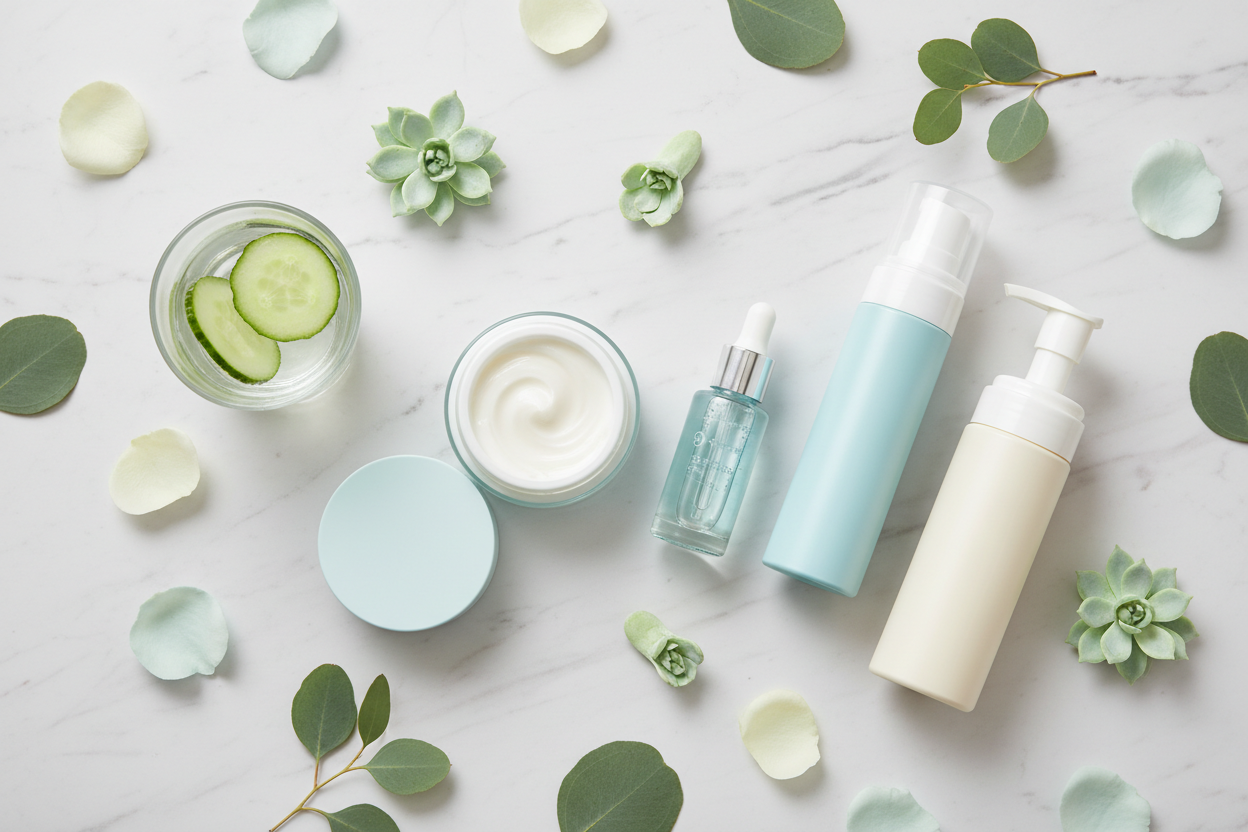
Take the guesswork out of your routine with our complete Skin Hydration Bundle. Curated specifically for parched skin, this bundle includes everything you need to gently cleanse, deeply hydrate, and protect your skin all day long.
1. How long does it take to fix a damaged skin barrier?
With a consistent and gentle skin hydration routine, you can start seeing improvements in your skin barrier within 2 to 4 weeks. However, complete healing may take up to a few months depending on the severity of the damage.
2. Can I use a moisturizer for dry skin if I have acne?
Yes. Dry, acne-prone skin still needs moisture. In fact, depriving your skin of hydration can cause it to produce excess oil, leading to more breakouts. Look for non-comedogenic (pore-clearing) moisturizers that contain barrier-repairing ingredients like ceramides.
3. Do I need to apply moisturizer at night?
Absolutely. Your skin loses a significant amount of water while you sleep. Applying a nourishing moisturizer at night helps repair the skin barrier and lock in hydration so you wake up with a soft, glowing complexion.
4. How often should I wash my face if I have dry skin?
If you struggle with dry skin, washing your face twice a day with a cleanser might be too stripping. Try washing with a gentle cleanser at night to remove sunscreen and dirt, and simply rinse your face with lukewarm water in the morning.
5. What is the best way to treat severe dry skin in winter?
Winter skincare requires thicker creams and protective layers. Use a hydrating serum on damp skin, follow up with a rich moisturizer, and consider sealing it all in with a facial oil or a very thin layer of healing ointment before bed.
6. When should I see a dermatologist for dry skin?
If your dry skin is accompanied by severe redness, itching, cracking, or bleeding, or if it does not improve with a solid skincare routine, you should consult a certified dermatologist. You may have underlying conditions like eczema or psoriasis that require medical treatment.
Overcoming flakiness, tightness, and dullness is entirely possible when you understand how your skin works. By distinguishing between dry and dehydrated skin, avoiding harsh habits, and choosing barrier-repairing ingredients, you can restore your skin's natural balance.
Remember, healthy skin requires patience and gentle care. Building a dedicated skin hydration routine is the best investment you can make for a smooth, radiant, and comfortable complexion year-round. Start today, stay consistent, and watch your skin transform.
Ready to give your skin the moisture it deserves? Explore the Mistic Health Skin Hydration Bundle and start your journey to a healthier, happier skin barrier today!