Cart
0
You may also like


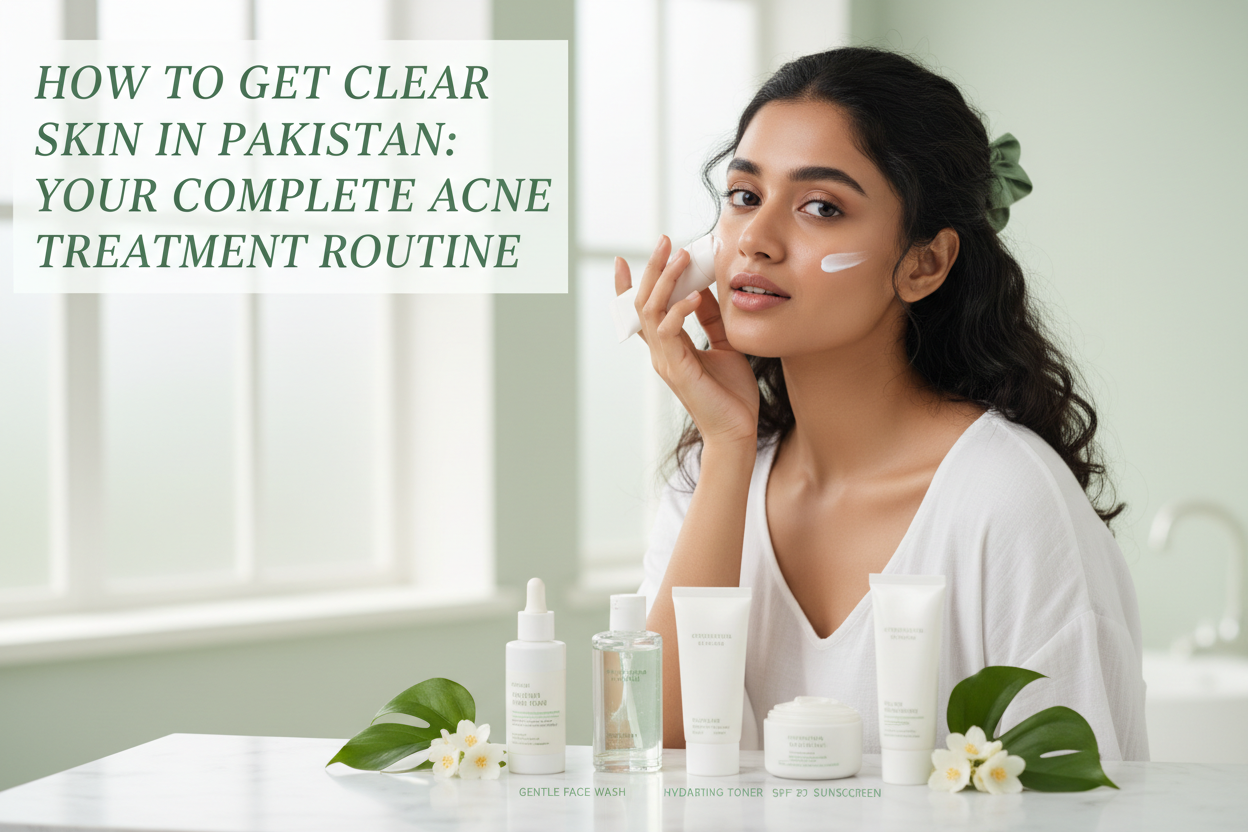
Acne is one of the most frustrating skin concerns affecting millions of people across Pakistan. Whether you live in the sweltering humidity of Karachi, the dusty streets of Lahore, or the cooler but polluted air of Islamabad, your skin is constantly under attack. Heat triggers excess oil, pollution clogs pores, and hard water strips your skin's natural barrier — all before you've even thought about your diet or stress levels.
The good news? Achieving clear skin in Pakistan is absolutely possible with the right routine and realistic expectations. This guide breaks down everything you need to know — from understanding why acne flares up so easily in Pakistan's climate to building a step-by-step morning and night skincare routine. You'll also learn which ingredients actually work, which common habits are making things worse, and how long you can realistically expect to see results.
No overnight promises. No guesswork. Just practical, dermatologist-informed advice tailored to Pakistani skin and conditions.
Understanding the root causes makes your acne treatment in Pakistan far more effective.
Climate and heat play a massive role. Pakistan experiences extreme temperatures, especially during summer months. High heat stimulates sebaceous glands to produce more oil, which mixes with sweat, dead skin cells, and environmental debris to block pores.
Pollution and dust compound the problem. Cities like Lahore and Karachi rank among the most polluted in Asia. Fine particles settle on the skin throughout the day, irritating follicles and triggering inflammation. This is a key acne cause in hot weather Pakistan rarely acknowledges enough.
Water quality is another overlooked factor. Hard water — common across many Pakistani cities — contains high mineral content that disrupts the skin barrier, leaving skin dry, irritated, and more prone to breakouts.
Diet and lifestyle round out the picture. High consumption of fried foods, dairy, and sugary drinks, combined with irregular sleep patterns and chronic stress, all contribute to hormonal fluctuations that drive acne — especially in teenagers and young adults.
A consistent skincare routine for oily skin Pakistan is the foundation of clearer skin. Here's what a dermatologist-informed daily routine looks like.
Step 1 — Cleanse: Use a gentle, low-pH cleanser suited for acne-prone skin. Look for one containing salicylic acid (0.5–2%), which penetrates the pore to dissolve excess oil and dead skin buildup. This is the best face wash in Pakistan for acne-prone skin types.
Step 2 — Toner (optional): If you use a toner, choose an alcohol-free, hydrating formula. Avoid astringent toners — they strip moisture and trigger your skin to produce even more oil.
Step 3 — Treatment Serum: Apply a niacinamide serum (5–10%). Niacinamide regulates sebum production, fades post-acne marks, and strengthens the skin barrier. It's one of the most forgiving active ingredients for beginners.
Step 4 — Moisturizer: Even oily skin needs hydration. Choose a lightweight, oil-free, non-comedogenic gel moisturizer. Skipping this step causes your skin to overcompensate by producing more sebum.
Step 5 — Sunscreen: Apply a broad-spectrum SPF 30 or higher every single morning — no exceptions. UV exposure worsens inflammation, darkens existing acne scars, and delays healing. This is non-negotiable for your Pakistani skincare routine for glowing skin.
Step 1 — Cleanse: Double-cleanse if you wore sunscreen or spent time outdoors in Lahore or Karachi's pollution. Start with a micellar water or cleansing balm, then follow with your salicylic acid face wash.
Step 2 — Treatment: Alternate between a niacinamide serum and a benzoyl peroxide spot treatment (2.5–5%). Benzoyl peroxide kills acne-causing bacteria and reduces active breakouts. Don't use benzoyl peroxide and retinol together on the same night.
Step 3 — Moisturize: Apply a slightly richer moisturizer containing hyaluronic acid at night. Hyaluronic acid draws moisture into the skin and supports recovery from active treatment ingredients.
Knowing your ingredients removes the guesswork. Here's a quick breakdown:
Salicylic Acid — Unclogs pores, reduces blackheads and whiteheads. Best used in cleansers or toners.
Benzoyl Peroxide — Kills acne-causing bacteria. Use as a spot treatment to minimize irritation.
Niacinamide — Controls oil, reduces redness, and fades dark spots left by acne.
Hyaluronic Acid — Hydrates without clogging pores. Essential when using drying acne treatments.
SPF Sunscreen — Protects against UV-induced pigmentation and prevents existing scars from darkening.
These are all medically recognized, widely available, and generally affordable across Pakistan.
Even well-intentioned routines can backfire. Watch out for these habits:
Over-washing the face. Washing more than twice a day strips the skin's protective barrier, signals oil glands to produce more sebum, and worsens breakouts. Twice daily is enough.
Using harsh home remedies. Lemon juice, toothpaste, and undiluted tea tree oil are frequently used across Pakistan as DIY fixes. These can cause chemical burns, increase inflammation, and leave hyperpigmentation that's harder to treat than the original acne.
Skipping sunscreen. This is arguably the most damaging habit when it comes to how to remove acne scars naturally. Without SPF, every dark mark left by a pimple deepens and takes months longer to fade.
Inconsistency. Switching products every few weeks prevents any treatment from actually working. Stick with a routine for at least eight weeks before evaluating results.
Your skin reflects what happens inside your body, not just what you apply to it.
Drink more water. Aim for 8–10 glasses daily. In Karachi's heat especially, dehydration concentrates toxins and dulls complexion.
Reduce sugar and refined carbs. These spike insulin levels, which increases oil production and inflammation.
Limit dairy. Some research links dairy — particularly milk — to hormonal acne flare-ups.
Prioritize sleep. During sleep, your body repairs damaged skin cells and regulates cortisol. Poor sleep raises stress hormones, which directly worsen acne.
Manage stress. Whether it's exam pressure in Islamabad or work stress in Lahore, chronic stress elevates androgens, which overstimulate oil glands.
Set realistic expectations. Most dermatologists recommend evaluating results after 4 to 12 weeks of consistent routine use.
Weeks 1–2: Skin may purge (temporarily break out more). This is normal when introducing actives like salicylic acid.
Weeks 3–4: Active breakouts start to reduce in frequency and severity.
Weeks 6–8: Noticeable improvement in skin texture and fewer new pimples.
Weeks 10–12: Significant reduction in acne scars and overall clearer skin with consistent use.
Patience is not optional — it's part of the treatment.
How can I get clear skin fast in Pakistan?
There are no overnight fixes, but starting with a salicylic acid cleanser, niacinamide serum, and daily SPF creates visible improvement within 4–6 weeks for most people.
What is the best acne treatment routine for Pakistani skin?
A twice-daily routine using a gentle cleanser, niacinamide or benzoyl peroxide treatment, oil-free moisturizer, and daily sunscreen is the most effective starting point recommended by dermatologists.
Does oily skin cause acne?
Oily skin alone doesn't cause acne, but excess sebum combined with dead skin cells and bacteria creates the ideal environment for breakouts. Managing oil production with the right skincare routine for oily skin Pakistan is key.
Can diet affect acne in Pakistan?
Yes. High sugar intake, processed foods, and dairy have all been linked to increased acne severity. Reducing these while staying hydrated can meaningfully support clearer skin.
Is sunscreen necessary for acne-prone skin?
Absolutely. Sunscreen prevents UV radiation from darkening acne marks, worsening inflammation, and slowing healing. Choose an oil-free, non-comedogenic formula labeled "for acne-prone skin."