Cart
0
You may also like



If you've been noticing more hair on your pillow, in the shower drain, or on your comb lately, you're not imagining it — and you're definitely not alone. Hair fall has become one of the most common concerns among Pakistanis, cutting across age groups and genders. Between the scorching summer heat, dusty air, hard water, and the relentless pressure of daily life, your hair is dealing with a lot.
The good news? Most hair fall in Pakistan is manageable. With the right routine, realistic expectations, and some targeted care, you can significantly reduce shedding and support healthier regrowth.
This guide walks you through the best hair fall treatment routine in Pakistan — grounded in dermatologist-informed advice and adapted for our specific climate, water quality, and lifestyle. Whether you're just starting to notice extra hair fall or you've been struggling for a while, this is your starting point.
Understanding why your hair is falling is the first step to fixing it. Several factors specific to Pakistan make hair fall worse here than in many other parts of the world.
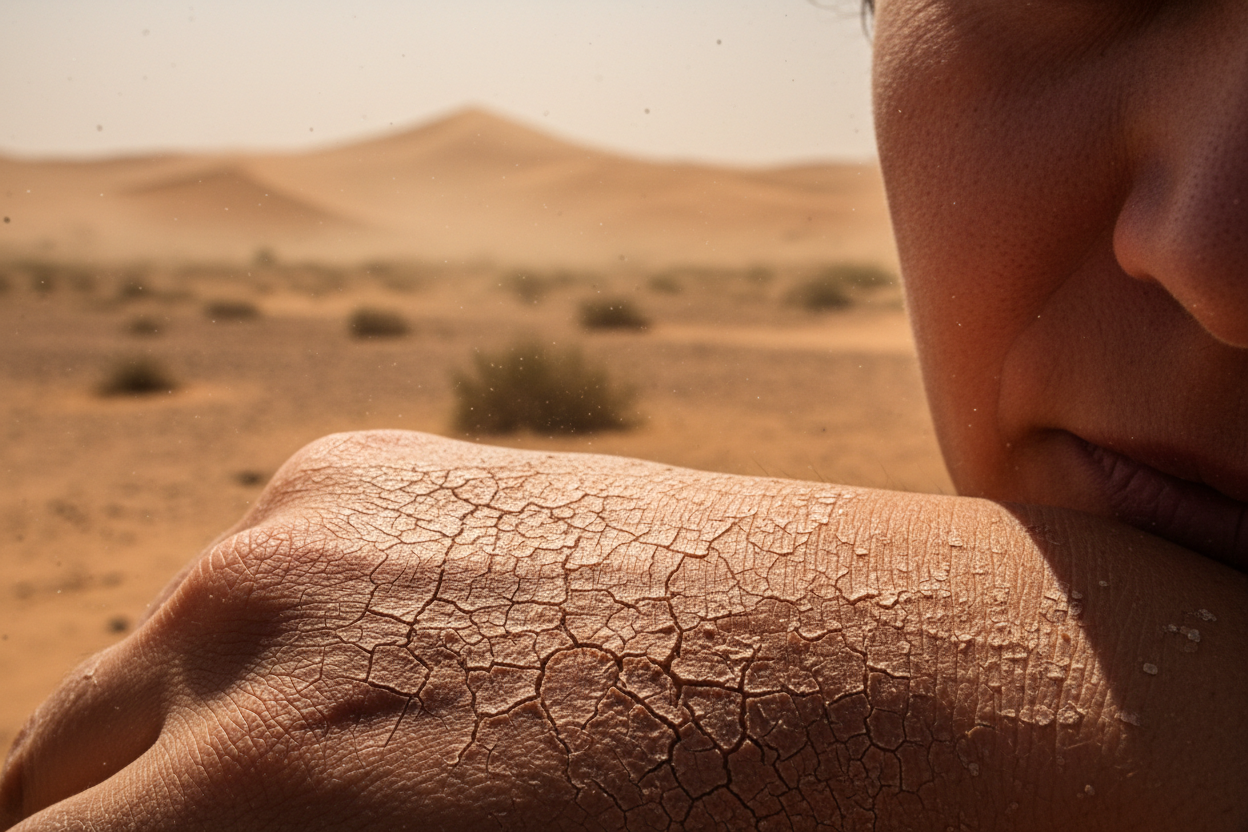
Most cities in Pakistan — Karachi, Lahore, Islamabad, Faisalabad — have notoriously hard water. This water contains high levels of calcium and magnesium, which build up on the scalp and hair shaft over time. This buildup weakens the hair follicle, causes dryness, and increases breakage. Combine that with temperatures that regularly exceed 40°C in summer, and you have a recipe for brittle, stressed-out hair.
Monsoon season brings its own problems. The sudden spike in humidity disrupts the scalp's natural oil balance, which can trigger fungal growth and dandruff — two common hair loss causes in Pakistan that often go unaddressed. In winter, cold and dry air strips moisture from the scalp. Each season creates a different challenge, and most people use the same routine year-round.
Iron deficiency is widespread in Pakistan, particularly among women. So are low levels of vitamin D, zinc, and protein. Our daily diet — heavy in refined carbohydrates and light on leafy greens, eggs, and legumes — often falls short of what hair follicles need to thrive.
Chronic stress, irregular sleep, and hormonal imbalances (from conditions like PCOS or thyroid issues) are all well-documented hair loss causes in Pakistan. Stress triggers a condition called telogen effluvium, where hair follicles prematurely enter the resting phase and shed in larger amounts than normal.
A solid hair care routine for Pakistani weather addresses the scalp first, then the strands. Here's how to build one that actually works.
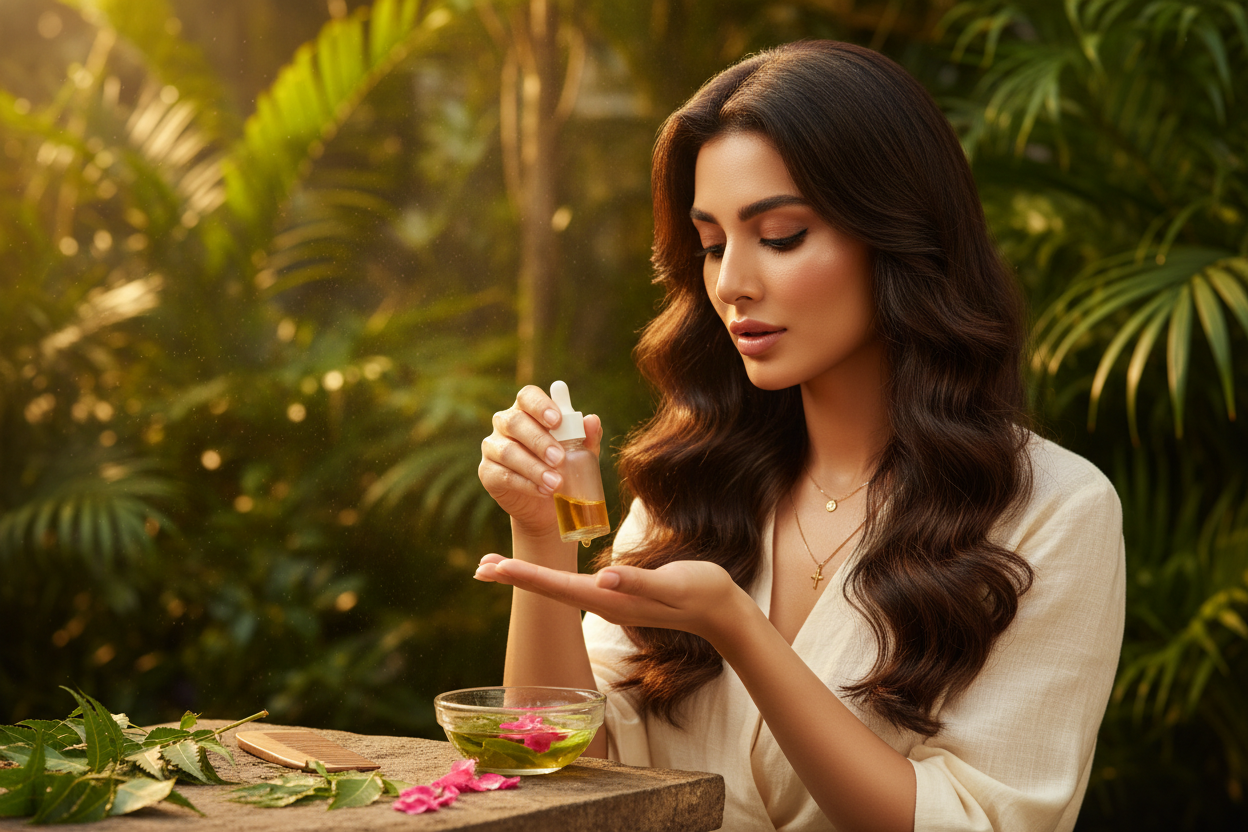
Oiling is deeply rooted in our culture — and for good reason. Massaging oil into the scalp increases blood circulation to hair follicles, which may help stimulate growth and reduce shedding.
Coconut oil is widely available and penetrates the hair shaft to reduce protein loss.
Almond oil is lightweight and suitable for people who find coconut oil too heavy.
Onion oil has gained popularity for its potential role in supporting follicle health, and small studies suggest it may help reduce hair fall.
Apply oil to your scalp and hair 1–2 hours before washing, or leave it overnight if your scalp tolerates it well. Avoid applying heat directly to oiled hair, as this can cause further damage.
The best shampoo for hair fall in Pakistan should be sulfate-free or low-sulfate, gentle enough for regular use, and ideally contain ingredients like biotin, keratin, zinc pyrithione (for dandruff), or caffeine. Avoid shampoos with harsh detergents that strip the scalp of its natural oils.
How often should you wash? In our climate, 2–3 times per week is generally ideal. Washing every day — a common habit during hot summers — can dry out the scalp and worsen hair fall. During monsoon, when sweat and humidity build up faster, you may need to wash slightly more frequently.
Many Pakistanis skip conditioner, thinking it will make hair greasy or cause more fall. This is a myth. Conditioner seals the hair cuticle, reduces friction, and prevents breakage. Apply it from mid-length to ends, avoiding the scalp. Leave it on for 2–3 minutes before rinsing thoroughly.
Once a week, use a nourishing hair mask to restore moisture and strength. You can use a store-bought deep conditioning mask or make one at home. A simple DIY mask — egg yolk, a tablespoon of olive oil, and a teaspoon of honey — can be left on for 20–30 minutes under a shower cap before washing out.
A healthy scalp is the foundation of healthy hair. If you notice flaking, itching, or an oily scalp with persistent hair fall, address the scalp condition first. Use a mild anti-dandruff shampoo with selenium sulfide or ketoconazole if dandruff is present. Exfoliating the scalp gently once a week with a soft brush or diluted apple cider vinegar rinse may also help remove buildup from hard water.
How you wash matters as much as what you use. Scrubbing vigorously causes friction and breakage. Instead, use your fingertips (not nails) to massage the scalp in circular motions. After washing, pat hair dry with a soft towel — never rub. Let hair air-dry when possible, and if you must use a dryer, keep it on a low heat setting.
If you're looking to stop hair fall naturally, home remedies can be a useful complement — not a replacement — for a solid routine.
Aloe vera gel applied to the scalp may soothe inflammation and balance scalp pH.
Fenugreek (methi) seed paste has been used traditionally and may help strengthen roots.
Green tea rinse contains antioxidants that may support follicle health.
That said, know when to see a dermatologist. If hair fall is sudden, patchy, or accompanied by scalp tenderness, it could indicate a medical condition requiring diagnosis — such as alopecia areata, a thyroid disorder, or severe nutritional deficiency.
Medical options — like topical minoxidil (available in most pharmacies in Pakistan), PRP therapy, and prescription-based treatments — can be effective, but should only be started under professional guidance.
What you eat directly impacts your hair. To support your hair fall treatment in Pakistan, focus on these food groups:
Protein: Eggs, lentils (daal), chicken, and fish are excellent local sources. Hair is made of keratin — a protein — so adequate daily intake is essential.
Iron and zinc: Include spinach, chickpeas, red meat, and pumpkin seeds in your meals.
Vitamin D: Often deficient in Pakistanis despite sun exposure. A supplement may be needed — check with your doctor.
Biotin: Found in eggs, nuts, and sweet potatoes.
Beyond food, prioritize 7–8 hours of sleep and find consistent ways to manage stress — whether that's a short walk, prayer, reading, or even just taking breaks from your screen. Chronic stress is one of the most underestimated hair loss causes in Pakistan.
Even well-intentioned hair care habits can backfire. Watch out for these:
Over-oiling: Leaving heavy oils on for days can clog follicles and cause scalp acne or dandruff.
Frequent heat styling: Straighteners and curling irons cause cumulative damage, especially in our already-drying climate.
Using harsh shampoos: Shampoos with high sulfate content strip the scalp's natural oils and worsen dryness.
Ignoring scalp health: Treating only the hair strands while neglecting the scalp is like watering a plant without tending to its roots.
Expecting overnight results: Switching products every week prevents any one approach from working.
Managing hair fall takes consistency, not perfection. The best hair fall treatment routine in Pakistan combines gentle oiling, the right shampoo, regular scalp care, and a nutrient-rich diet — all adapted to the realities of our climate and lifestyle. Results generally take 8–12 weeks to become visible, so commit to your routine and stay patient.
Start with one or two changes this week. Fix your washing frequency, switch to a sulfate-free shampoo, or add a weekly oil treatment. Small, consistent steps will move the needle far more than any quick fix ever could.