Cart
0
You may also like


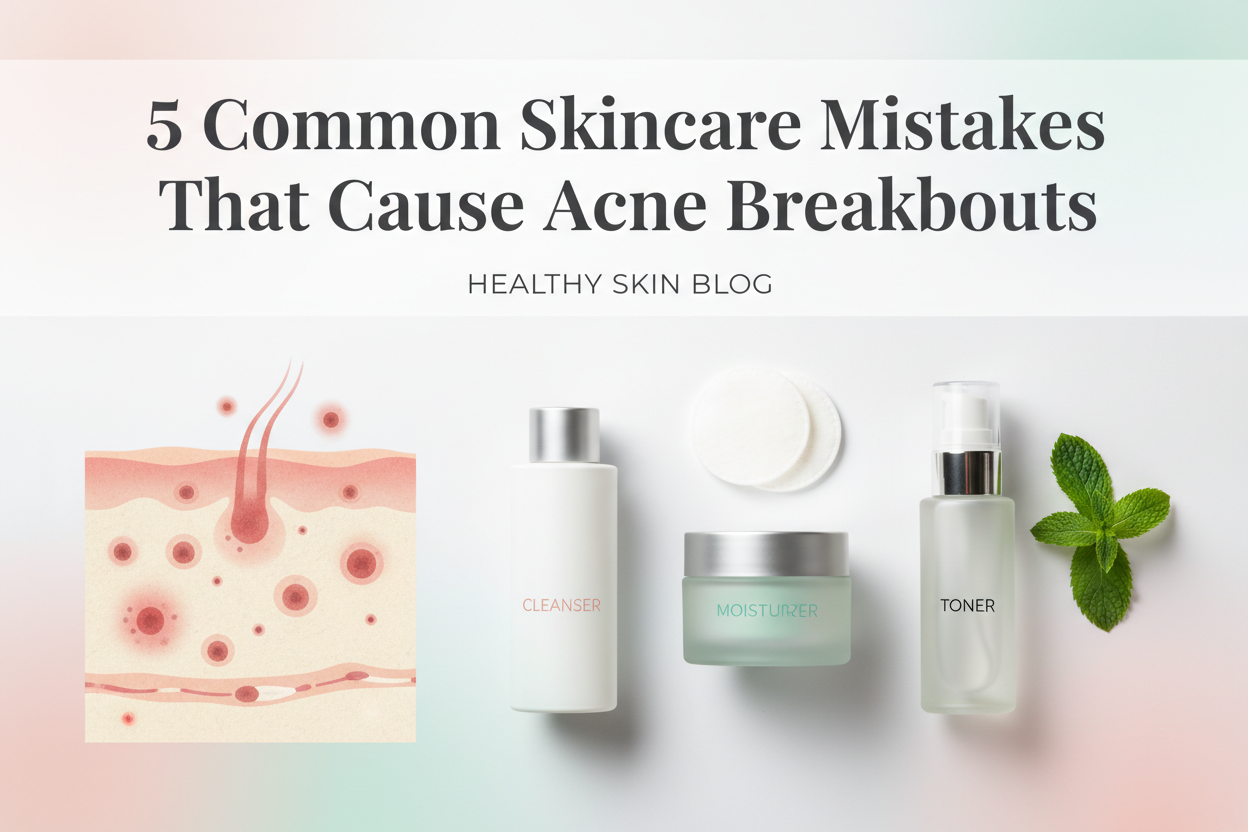
We have all been there. You wake up, look in the mirror, and spot an angry, red bump starting to form on your cheek or forehead. For teenagers, young adults, and adults alike, dealing with constant acne breakouts can feel like an endless, frustrating battle. You might be buying every new product that promises clear skin, only to find your pores still congested and your skin irritated.
If this sounds familiar, you are not alone. The journey to clear skin is tough, especially when navigating the heavy pollution, intense heat, and high humidity of our local climate. But what if the very products and habits you rely on are actually making the problem worse?
Often, recurring pimples and congested skin come down to a few basic errors in our daily habits. In this comprehensive guide, we will uncover the science behind why acne happens, explore the daily skincare mistakes that trigger acne breakouts, and share a science-backed approach to building a healthy, balanced complexion with Mistic Health.
To fix the problem, we first need to understand the root cause. Acne is an inflammatory skin condition that occurs when your hair follicles become plugged with oil and dead skin cells. But how does this happen?
Here is a simple breakdown of the science behind a pimple:
Excess Oil Production (Sebum): Your skin has sebaceous glands that produce sebum, a natural oil meant to keep your skin hydrated. However, when these glands go into overdrive, they produce excess oil.
Clogged Pores: When this excess sebum mixes with dead skin cells on the surface of your face, it forms a plug in the follicle, leading to clogged pores.
Bacteria and Inflammation: A bacteria called Cutibacterium acnes (C. acnes) naturally lives on your skin. When pores get clogged, this bacteria feeds on the trapped oil, multiplying rapidly and causing the redness, swelling, and inflammation we know as a pimple.
Hormonal Acne: Fluctuating hormones, especially during puberty, menstruation, or stressful periods, can trigger your glands to produce even more oil, leading to deep, painful cystic bumps often found on the jawline.
Living in Pakistan brings unique challenges for acne-prone skin. The combination of intense summer humidity and sweat creates a breeding ground for bacteria. Add daily exposure to urban pollution, dust, and smog, and your pores face an uphill battle to stay clean. Understanding these environmental factors is the first step toward building a resilient skincare routine for acne.
When you have oily, shiny skin, your first instinct is probably to wash it as often as possible to get that "squeaky clean" feeling. This is one of the most common skincare mistakes you can make.
Washing your face more than twice a day strips your skin of its natural, necessary lipids. When your skin feels stripped and dry, your brain sends a panic signal to your sebaceous glands to produce even more oil to compensate for the moisture loss. This excess oil production leads directly to more clogged pores and more acne breakouts.
How to fix it:
Wash your face a maximum of twice daily (morning and night) and after heavy sweating.
Use a gentle, pH-balanced cleanser that removes impurities without leaving your skin feeling tight or dry.
Avoid aggressive scrubbing; treat your skin delicately.
Many traditional, over-the-counter acne products are loaded with denatured alcohol and aggressive astringents. While they might temporarily dry out a pimple, they simultaneously wreck your skin’s natural protective barrier.
A compromised skin barrier cannot lock in moisture or keep out irritants and acne-causing bacteria. Furthermore, using products with harsh physical exfoliants (like walnut scrubs) causes micro-tears in the skin, spreading bacteria and worsening active breakouts. Sensitive skin and acne go hand-in-hand, meaning aggressive treatments often do more harm than good.
How to fix it:
Avoid toners and cleansers that list alcohol high on the ingredient list.
Switch to chemical exfoliants like salicylic acid (a beta-hydroxy acid that dissolves oil inside the pore) instead of rough physical scrubs.
Look for soothing ingredients like niacinamide and ceramides to rebuild the skin barrier.
This is a massive myth in oily skin care: "If my skin is already oily, moisturizing will just cause more pimples."
Skipping moisturizer is a critical error. Hydration (water content) and sebum (oil content) are two completely different things. You can have oily skin that is severely dehydrated. When oily skin lacks water, it overcompensates by producing more oil, keeping you trapped in the breakout cycle.
How to fix it:
Never skip moisturizer, even in humid weather.
Choose a lightweight, gel-based, oil-free moisturizer.
Look for the term non-comedogenic products, which means the formulation has been tested and proven not to clog pores.
Embrace ingredients like hyaluronic acid, which hydrates the skin deeply without adding grease.
It is incredibly tempting to squeeze a whitehead, but popping your pimples is a guaranteed way to make the situation worse.
When you pop a pimple, you are forcefully tearing the skin. This can push infected material deeper into the dermis, increasing inflammation and turning a small spot into a painful, lingering nodule. Worse, popping pimples almost always leads to post-inflammatory hyperpigmentation (dark spots) and permanent acne scars. Furthermore, touching your face throughout the day transfers dirt and bacteria from your hands directly into your pores.
How to fix it:
Apply a pimple patch over active spots to protect them from your wandering fingers.
Use a targeted spot treatment and let it heal naturally.
Wash your hands frequently and keep them away from your face.
Many people with acne-prone skin skip sunscreen because they fear it will feel heavy, greasy, or trigger a breakout. However, skipping SPF is detrimental to healing your skin.
The sun’s UV rays cause inflammation, weaken the skin barrier, and dramatically darken post-acne marks. If you are trying to fade acne scars or red spots, sun exposure will make those marks darker and much harder to get rid of. Additionally, many acne-fighting ingredients (like salicylic acid) make your skin more sensitive to the sun.
How to fix it:
Wear broad-spectrum sunscreen every single day, indoors and outdoors.
Opt for mineral or lightweight chemical sunscreens designed specifically for acne-prone or oily skin.
Cleanse thoroughly at night to remove all traces of SPF.
Beyond the top five, several everyday habits in our region secretly contribute to skin barrier damage and ongoing congestion.
Many local "glow" or fairness creams contain heavy, pore-clogging waxes, unregulated steroids, or harsh bleaching agents. These completely destroy the acid mantle of your skin, leading to severe acne, thinning of the skin, and extreme sensitivity. Choose skin health over unrealistic whitening standards.
Falling asleep in your makeup traps a day's worth of oil, sweat, and environmental pollution against your skin. It guarantees clogged pores by morning. Always double-cleanse at night if you wear makeup or heavy sunscreen.
In desperation, you might try a ten-step routine packed with multiple active ingredients. Mixing too many strong acids and treatments over-exfoliates the skin, causing redness, burning, and a massive surge in breakouts. Less is always more.
Effective pimples treatment does not require a complicated 12-step routine. A science-backed, dermatologist-inspired approach emphasizes simplicity, consistency, and patience. Here is a balanced, daily routine to follow:
Cleanse: Wash with a gentle, non-stripping cleanser to remove overnight oil buildup.
Treat (Optional): Apply a soothing antioxidant serum, like one containing niacinamide, to calm redness and regulate oil production throughout the day.
Moisturize: Apply a light, water-based, oil-free moisturizer.
Protect: Finish with a generous layer of non-comedogenic SPF sunscreen.
Double Cleanse: If wearing makeup or SPF, use micellar water first, followed by your water-based cleanser.
Exfoliate/Treat: Apply your acne treatment serum (containing salicylic acid or benzoyl peroxide) to target clogged pores and bacteria.
Moisturize: Hydrate with a barrier-repairing moisturizer containing ceramides or hyaluronic acid to help the skin heal overnight.
Achieving clear skin is a marathon, not a sprint. Keep these expert tips in mind when managing your breakouts:
Rely on Proven Ingredients: Look for tea tree oil for its natural antibacterial properties, benzoyl peroxide to kill acne-causing bacteria, and salicylic acid to unclog pores.
Always Patch Test: Before applying a new serum or cream to your entire face, test a small amount on your jawline for 24 hours to ensure you don’t have an allergic reaction.
Have Realistic Expectations: Ignore claims that promise to remove acne overnight. True skin cell turnover takes 28 to 45 days. Give any new product at least 4 to 6 weeks of consistent use before deciding if it works.
Know When to See a Doctor: If you are dealing with deep, painful, cystic acne that leaves pitted scars, over-the-counter skincare might not be enough. Consult a certified dermatologist for professional medical treatments.
Skincare products are only one piece of the puzzle. Internal wellness and daily lifestyle habits play a massive role in managing hormonal acne and excess oil production.
Change Your Pillowcases: Sleep on a clean pillowcase every 3 to 4 days. Pillowcases harbor dead skin, hair oils, and bacteria that transfer to your face every night.
Stay Hydrated: Drink plenty of water to help your body flush out toxins naturally and keep your skin cells plump and healthy.
Manage Diet and Stress: While diet doesn't cause acne directly, high-sugar diets and dairy can trigger inflammatory responses in some people. Similarly, high stress raises cortisol levels, which in turn spikes oil production.
At Mistic Health, we believe in safe, effective, and science-backed solutions that prioritize your skin barrier. Instead of fighting your skin, our formulas work with it to create a healthy, balanced, and acne-free complexion.
To streamline your routine, consider adding these Mistic Health essentials:
Acne-Control Cleanser: Formulated to deeply clean pores without leaving your skin feeling tight, dry, or irritated.
Acne Treatment Serum: A targeted, gentle formula utilizing salicylic acid and soothing botanicals to reduce inflammation and dissolve pore blockages.
Oil-Free Moisturizer: A lightweight hydrator packed with barrier-loving ingredients to lock in moisture without the grease.
SPF Sunscreen: A non-comedogenic, broad-spectrum protector that feels weightless in the humid Pakistani climate.
1. Does oily skin cause acne breakouts?
Oily skin is a major contributing factor, but it does not cause acne on its own. Breakouts happen when excess oil mixes with dead skin cells and bacteria inside the pore. Proper cleansing and exfoliation can prevent this mixture from causing spots.
2. Can Pakistani weather make my acne worse?
Yes. High humidity and heat increase sweat and sebum production, while dust and pollution contribute to clogged pores. Adjusting your routine to include lightweight, non-comedogenic products during summer can help manage this.
3. Is it safe to use salicylic acid every day?
For most people, a mild salicylic acid cleanser or serum is safe for daily use. However, if you have sensitive skin or a compromised skin barrier, it is best to start using it 2-3 times a week and gradually increase the frequency to avoid irritation.
4. How long does it take for acne treatments to work?
Consistency is key. Most acne treatments take anywhere from 4 to 8 weeks to show significant results. There are no overnight miracles; your skin needs time to undergo cellular turnover and heal.
5. Will skipping moisturizer help dry out my pimples?
No. Skipping moisturizer dehydrates your skin, triggering it to produce even more oil to compensate, which ultimately leads to more breakouts. Always use an oil-free moisturizer.
6. How do I get rid of acne scars?
Preventing scars is easier than treating them—never pop your pimples! To fade existing dark marks (hyperpigmentation), consistently use ingredients like niacinamide, chemical exfoliants, and, most importantly, daily SPF sunscreen to prevent the sun from darkening the marks.
7. Should I stop wearing makeup if I have acne?
You don't have to stop completely, but choose lightweight, non-comedogenic makeup products. Always double-cleanse thoroughly at night to ensure no makeup residue is left trapped in your pores while you sleep.
Acne breakouts can be stubborn, but by avoiding these common skincare mistakes and understanding what your skin actually needs, you can regain control of your complexion. Focus on a gentle routine, protect your skin barrier, and treat your skin with the patience it deserves.
Ready to build a skincare routine that actually works for your oily and acne-prone skin? Explore Mistic Health’s science-backed skincare solutions today and take the first step toward a healthy, confident glow.