Cart
0
You may also like


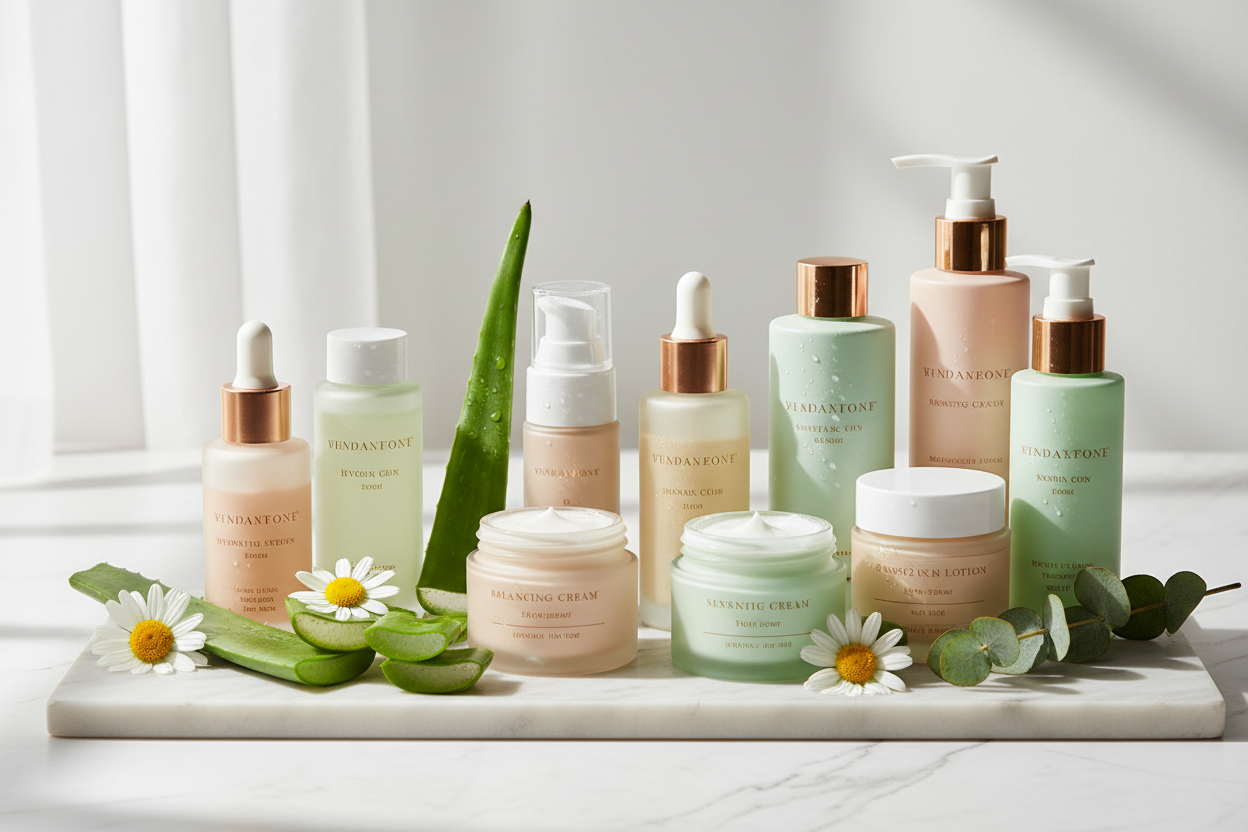
You buy a new, highly-rated face cream, hoping for glowing results, only to wake up with an angry breakout or flaky patches. We have all experienced the frustration of wasting money on formulas that just do not agree with our faces. Finding the right routine is not about buying the most expensive bottles on the shelf. Instead, it comes down to matching ingredients with your specific needs. Understanding how to choose the right skincare products for your skin type changes everything about your daily routine.
When you select the exact skincare products for your skin type, you stop fighting your natural biology and start working with it. This guide will walk you through identifying your specific profile, selecting dermatologist-backed ingredients, and building a routine that delivers actual results.
Before you apply another serum or moisturizer, you need to understand your canvas. Using the wrong formulas causes more harm than good.
First, knowing your profile prevents breakouts, dryness, and irritation. Applying a heavy, oil-based cream on an already oily face clogs pores. Similarly, using strong astringents on a dry face strips away essential moisture, leaving it tight and cracked.
Second, it saves you money. You can stop guessing and building a graveyard of half-used bottles in your bathroom cabinet. You will only purchase items that have a high chance of working for you.
Finally, it improves your results. Dermatologists consistently recommend understanding your base profile before building a regimen. When you align your ingredients with your needs, active components penetrate better and work more effectively.
You can figure out your profile with a simple test at home. Wash your face with a gentle cleanser, pat it dry, and wait 30 minutes without applying anything. Observe how your face feels and looks.
If your face looks shiny all over, especially under bright lighting, you likely have oily skin. You might notice enlarged pores, particularly around your nose and forehead. Many people with this profile experience a midday shine and are prone to acne and blackheads.
If your face feels tight after washing, you probably lean dry. You might see flaky patches or a rough texture. Dry profiles often look dull because they lack natural lipids to retain moisture.
Combination is exactly what it sounds like. You will notice an oily T-zone (forehead, nose, and chin) while your cheeks remain dry or normal. This is the most common profile and requires a balanced approach.
If your face reacts easily to new formulas, weather changes, or friction, you fall into the sensitive category. You frequently experience redness, itching, burning, or visible irritation.
If your face feels balanced—neither too tight nor too greasy—you have a normal profile. You experience minimal blemishes, small pores, and an even texture.
Once you know your profile, you can start matching items to your needs. Finding the best skincare products for your skin type requires looking at textures and delivery systems.
Heavy creams trap sebum and cause breakouts. The ideal skincare products for your skin type include gel-based cleansers that remove excess grease without stripping the barrier. Follow up with oil-free moisturizers or water creams. Salicylic acid products work wonders here because they penetrate deep into pores to dissolve buildup.
Your goal is to replenish lost moisture and seal it in. The best skincare products for your skin type involve cream-based or milky cleansers that hydrate while they wash. Look for hydrating serums containing hyaluronic acid, which pulls water into the barrier. Finish with thick moisturizers rich in ceramides to lock everything down.
You need balance. The top skincare products for your skin type are lightweight and adaptable. Use balancing toners to control the T-zone oil without dehydrating your cheeks. Gel-cream moisturizers work perfectly, providing enough hydration for dry areas without making the oily areas slick.
Less is always more. The safest skincare products for your skin type are strictly fragrance-free. Look for soothing ingredients like aloe vera, chamomile, and colloidal oatmeal. Avoid physical scrubs entirely; opt for gentle, non-foaming cleansers and basic barrier-repair creams.
You just need maintenance. The right skincare products for your skin type include a gentle cleanser, a basic hydrating moisturizer, and a reliable SPF. You can experiment with different serums, but keep the core routine simple to maintain your natural balance.
Explore a wide variety of formulas tailored to your needs in our Daily skincare routine guide.
Dermatologists formulate regimens based on active ingredients. Knowing which ingredients target your specific concerns makes shopping much easier.
Salicylic acid: A beta-hydroxy acid (BHA) that dissolves oil and dead cells inside pores.
Niacinamide: Vitamin B3 helps regulate oil production and reduces the redness associated with blemishes.
Hyaluronic acid: Acts like a sponge, drawing water from the environment into your skin.
Glycerin: A powerful humectant that softens the texture and prevents water loss.
Retinol: A vitamin A derivative that speeds up cell turnover and stimulates collagen production.
Vitamin C: An antioxidant that brightens the complexion and protects against environmental damage.
Selecting the right skincare products for your skin type also means knowing what to leave on the shelf.
Alcohol: Avoid denatured alcohol if you lean dry. It evaporates quickly and strips away your natural moisture barrier.
Fragrance: Avoid synthetic fragrances and essential oils if you lean sensitive. They are the leading cause of contact dermatitis in cosmetics.
Heavy oils: Avoid coconut oil, mineral oil, and cocoa butter if you lean oily. These are highly comedogenic and will clog your pores.
You do not need a complicated 10-step process. A consistent, simple regimen yields the best long-term results.
The morning is all about protection.
Cleanser: Wash away overnight sweat and sebum.
Moisturizer: Apply hydration to keep your barrier strong.
Sunscreen: Apply a broad-spectrum SPF 30 or higher. This is the most crucial step for preventing premature aging.
The night is for treatment and repair.
Cleanser: Remove makeup, dirt, and pollution. Consider a double cleanse if you wear heavy SPF or makeup.
Treatment: Apply your targeted serums (like retinol or acne treatments).
Moisturizer: Seal in the treatments with a slightly heavier cream to support overnight repair.
Many people sabotage their own progress by falling into common traps.
Following trends blindly causes constant irritation. Just because a viral video promotes a strong acid peel does not mean it fits your specific needs.
Using too many products at once overwhelms your barrier. Layering multiple active ingredients like retinol, vitamin C, and exfoliating acids often leads to chemical burns or severe redness.
Ignoring patch testing is a painful mistake. Always apply a small amount of a new formula behind your ear or on your inner arm and wait 24 hours to check for negative reactions.
Dermatologists offer clear guidelines to maximize your routine's effectiveness.
Always patch test. This small step saves you from full-face allergic reactions.
Be consistent. Skincare takes time to work. Cell turnover takes about 28 days, so you must use a new regimen consistently for 4 to 6 weeks before judging its effectiveness.
Drink water and maintain a balanced diet. Topical treatments only go so far. Your complexion reflects your internal health, so prioritize hydration and nutrient-dense foods.
How do I know my skin type?
Wash your face with a gentle cleanser, pat it dry, and wait 30 minutes without applying any lotions. If your face feels tight, it is dry. If it looks shiny everywhere, it is oily. If only your forehead and nose are shiny, it is combination.
What products are best for oily skin?
Look for gel-based cleansers, oil-free moisturizers, and chemical exfoliants containing salicylic acid. Avoid heavy creams and comedogenic oils that clog pores.
Can I use multiple skincare products?
Yes, but introduce them slowly. Start with a basic cleanser, moisturizer, and SPF. Add one active treatment serum at a time to ensure your barrier can handle it without irritation.
How long does skincare take to work?
Basic hydration shows results immediately. However, treatments for acne, hyperpigmentation, or fine lines require consistent use for 4 to 6 weeks to show visible improvements due to the natural cell turnover cycle.
Choosing formulas blindly sets you up for frustration. When you take the time to understand your profile, you unlock a healthier, clearer complexion. Recognizing whether you need hydration, oil control, or soothing ingredients makes shopping simpler and more effective.
Stop wasting money on trends that irritate your face. Assess your profile, read the ingredient labels, and stick to a consistent, simple routine. Start choosing the right skincare products for your skin type today, and give your face exactly what it needs to thrive.