Cart
0
You may also like


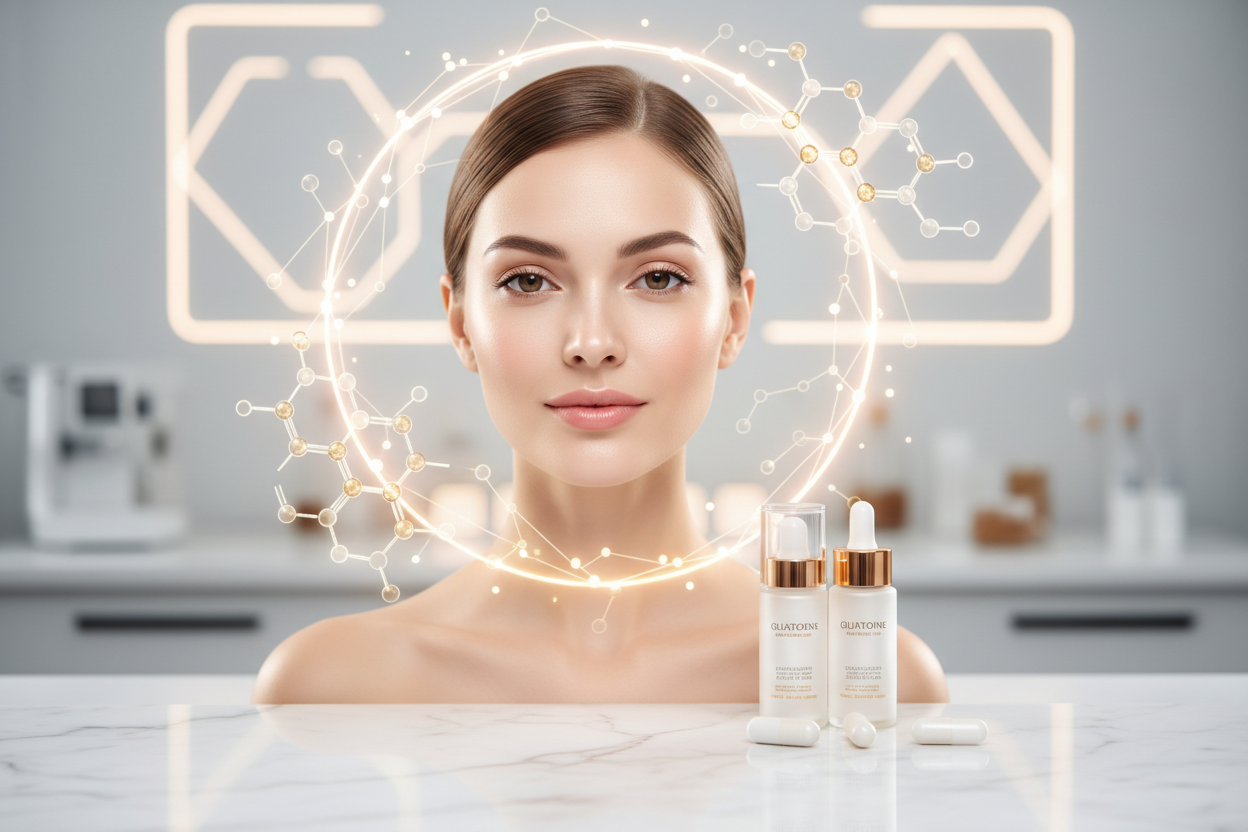
The quest for a radiant, even complexion drives a massive global skincare market. In Pakistan, the demand for skin brightening treatments remains exceptionally high, with people constantly seeking the next big breakthrough. Right now, glutathione is the most talked-about ingredient in the beauty industry.
You will find it everywhere—promoted in oral supplements, infused into topical creams, and advertised as intravenous (IV) drips at local clinics. However, rising curiosity brings a wave of online misinformation. Many wonder if this ingredient is a genuine medical breakthrough or just clever marketing.
To separate fact from fiction, we need to look at the science. Let’s explore how glutathione actually works, what certified dermatologists say about its efficacy, and whether it is safe for long-term use.
Before understanding how it affects your complexion, you need to understand what glutathione does inside your body. Glutathione is a powerful, naturally occurring antioxidant produced in the liver. It consists of three essential amino acids: glutamine, glycine, and cysteine.
Found in almost every cell of the human body, its primary job is to neutralize free radicals, reduce oxidative stress, and assist the liver in flushing out toxins. It plays a critical role in maintaining a healthy immune system and repairing damaged tissues.
So, how does an internal antioxidant become a skincare sensation?
The connection lies in how glutathione interacts with melanin—the pigment responsible for your skin color. Glutathione inhibits the activity of tyrosinase, an enzyme your body needs to produce melanin. Furthermore, it shifts the body's melanin production from eumelanin (which creates dark brown or black pigments) to pheomelanin (which creates yellow or red pigments). This dual action is what leads to a lighter, more even skin tone.
When you ask a certified dermatologist about glutathione, you get a much more nuanced answer than you will find in a beauty salon brochure. Medical professionals focus on safety, clinical evidence, and realistic outcomes.
Dermatologists explain that glutathione is, first and foremost, an antioxidant. Its ability to lighten skin is technically a side effect of taking it in large doses. By neutralizing oxidative stress and reducing cellular damage, it naturally promotes healthier, more glowing skin. However, the dramatic skin-bleaching effects often promised by marketers are largely exaggerated.
Not all glutathione treatments are created equal. Dermatologists break them down into three categories:
Oral Supplements: Pills and capsules are popular but often ineffective. Stomach acids break down the active ingredients before they can reach the bloodstream, resulting in very low absorption rates.
Topical Creams: Serums and creams are safe, but the glutathione molecule is relatively large. This makes it difficult for the ingredient to penetrate deep into the skin barrier where melanin is actually produced.
Intravenous (IV) Injections: IV drips deliver the antioxidant directly into the bloodstream, offering the highest absorption rate. While this method yields the most noticeable brightening results, it also carries the highest medical risks.
Medical experts agree that while intravenous treatments can provide a temporary glow and help fade hyperpigmentation, the results are not permanent. Long-term clinical studies proving the sustained efficacy and safety of high-dose glutathione for skin lightening simply do not exist yet.
The conversation around this antioxidant takes on a specific shape depending on where you live. When discussing glutathione skincare benefits Pakistan offers a unique market landscape. The popularity of these treatments has skyrocketed among young adults, particularly those preparing for weddings or major social events.
Dermatology clinics and high-end beauty centers across Lahore, Karachi, and Islamabad frequently advertise glutathione drips as the ultimate glow-up solution. However, patients often face a harsh reality regarding cost versus expectations.
These treatments require multiple sessions to see visible changes, making them a significant financial investment. Because the body constantly produces new melanin, the brightening effect fades once the treatments stop. Patients must commit to expensive maintenance sessions to keep their new complexion, which is neither practical nor financially sustainable for the average consumer.
If you want a clearer, more radiant complexion, glutathione is not your only option. Dermatologists often recommend proven, localized skin brightening treatments that carry fewer systemic risks. Here is how glutathione compares to other popular alternatives:
Vitamin C is another potent antioxidant that inhibits melanin production. Unlike glutathione, topical Vitamin C has decades of clinical research backing its effectiveness. It safely brightens the skin, fades dark spots, and boosts collagen production when used daily.
Niacinamide (Vitamin B3) is a gentle powerhouse. Rather than stopping melanin production, it prevents the transfer of pigment to the skin's surface. It is highly recommended by dermatologists for fading post-acne marks and calming inflammation without causing irritation.
Administered by professionals, chemical peels use targeted acids (like glycolic, lactic, or salicylic acid) to exfoliate the top layers of dead, pigmented skin. Peels offer predictable, highly effective results for treating stubborn hyperpigmentation and melasma.
For severe pigmentation issues, dermatologists utilize Q-switched lasers or intense pulsed light (IPL) therapies. Lasers safely break down excess pigment in targeted areas without affecting the rest of the body's internal chemistry.
Overall, dermatologists prefer these localized treatments because they are heavily researched, highly effective, and much safer than high-dose systemic antioxidants.
The biggest concern surrounding the glutathione trend is the alarming rate of misuse. As demand grows, so do the risks.
Unregulated Injections: Many beauty salons and non-medical spas now offer IV drips. Receiving an intravenous treatment without strict medical supervision exposes you to severe risks, including dangerous infections, incorrect dosing, and air embolisms.
Fake Products: The market is flooded with counterfeit pills and low-grade, imported ampoules. Using unregulated products means you never truly know what you are putting into your body.
Possible Side Effects: While naturally produced glutathione is safe, pumping high synthetic doses into your veins is not. Potential side effects include severe allergic reactions (like Stevens-Johnson syndrome), kidney and liver strain, abdominal pain, and thyroid dysfunction.
Medical supervision is absolutely non-negotiable if you choose to explore injectable treatments.
Certified dermatologists encourage patients to shift their focus from aggressive skin lightening to achieving an even, healthy, and natural skin tone. Here is what experts recommend for safe, long-lasting results:
No brightening treatment will work if you do not protect your skin from ultraviolet (UV) rays. UV exposure triggers melanin production. Applying a broad-spectrum SPF 30+ every single day is the most effective way to prevent dark spots and maintain an even complexion.
Consistency yields better results than quick fixes. Incorporate gentle exfoliants (like AHAs) and proven brightening ingredients (such as alpha arbutin, kojic acid, or Vitamin C) into your daily routine to naturally fade pigmentation over time.
Genetics determine your baseline skin color. Skincare and dermatological treatments should aim to resolve uneven tone, sun damage, and dullness—not completely alter your natural complexion. Embrace your natural skin tone and focus on skin health over extreme modifications.
Glutathione is undeniably a powerful antioxidant that offers significant health benefits, from liver detoxification to cellular repair. However, its reputation as a miracle cure for permanent skin lightening is heavily overstated. While high-dose treatments can temporarily reduce pigmentation and provide a glowing complexion, they require ongoing, expensive maintenance and carry legitimate medical risks when misused.
When exploring skin brightening treatments, always prioritize safety over fleeting beauty trends. Focus on clinically proven alternatives like Vitamin C, chemical peels, and daily sun protection. Most importantly, always consult with a certified dermatologist in Pakistan before starting any new treatment or supplement. A medical professional will help you build a safe, effective, and realistic roadmap to achieving your best, healthiest skin.