Cart
0
You may also like
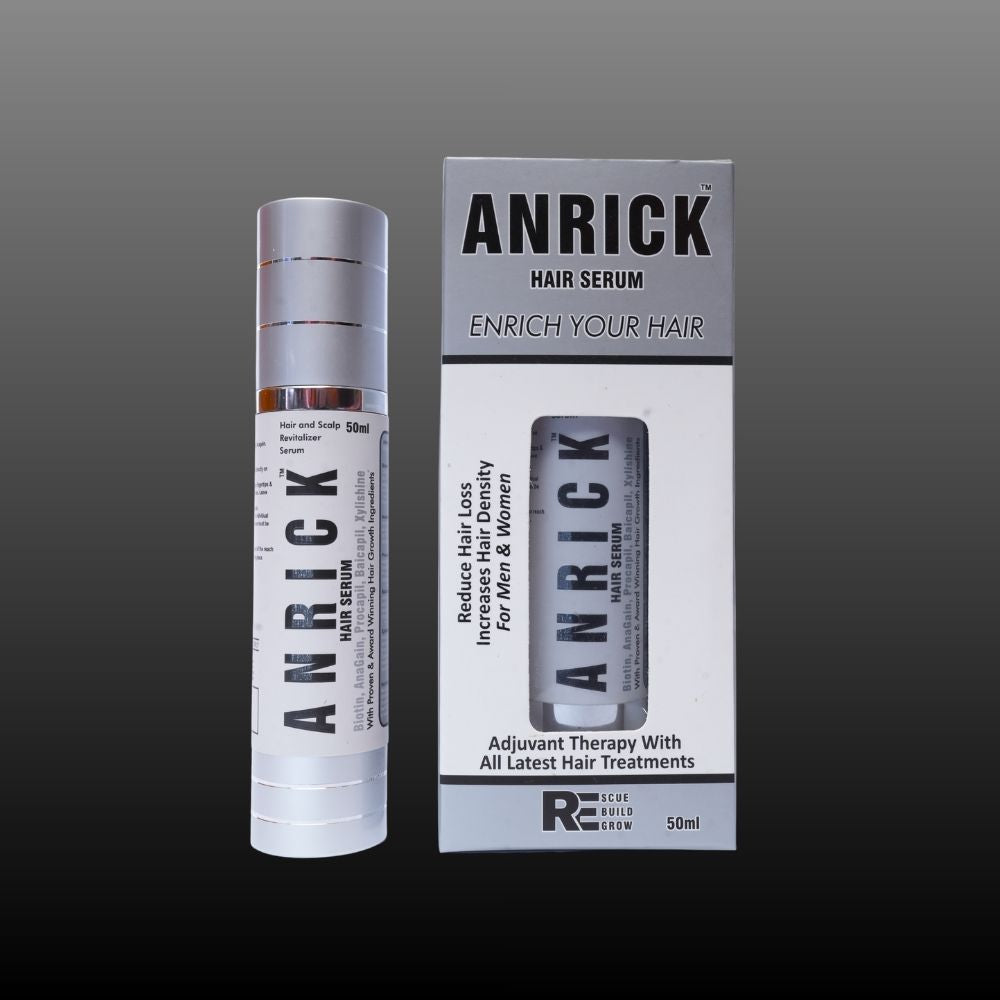
ANRICK Anti Hair Fall Serum – Best Hair Fall Serum in Pakistan
Regular price
Rs.2,949.00
+ Add to Cart


You walk into a skincare aisle or browse an online store, and suddenly, you're overwhelmed. There are hundreds of bottles, jars, and tubes promising to make you glow, fight aging, or banish acne. You pick one up, read the label, and see the words "best for dry skin." You pause. Do you have dry skin? Or is it dehydrated? Or maybe it's actually oily but feels tight?
If this sounds familiar, you aren't alone. One of the biggest hurdles in skincare isn't finding good products—it's finding the right products for you. Understanding your unique skin type is the secret code to unlocking a complexion that looks and feels its best.
At Mistic Health, we believe great skin starts with self-knowledge. Let’s break down exactly how to figure out what your skin needs and build a routine that actually works.
Imagine trying to grow a cactus in a swamp, or a fern in the desert. That is essentially what happens when you use products unsuited for your skin type.
Your skin type is determined by genetics, though it can be influenced by hormones, climate, and age. It refers to how much sebum (oil) your skin naturally produces. Knowing where you fall on this spectrum helps you:
Avoid irritation: Using harsh acne treatments on dry skin can damage your moisture barrier.
Prevent breakouts: Using heavy, pore-clogging creams on oily skin is a recipe for congestion.
Save money: You stop buying trending products that were never designed for your specific needs.
You don't need a dermatologist appointment to figure this out. The most reliable method is the "Bare Face Test."
Here is how to do it:
Cleanse: Wash your face thoroughly with a gentle cleanser like our Gentle Foam Wash to remove all makeup, oil, and dirt.
Wait: Pat your face dry and do nothing else. Do not apply toner, serum, or moisturizer. Wait for 30 minutes to an hour.
Observe: Look in the mirror and assess how your skin feels.
The Verdict: Your skin feels comfortable—not tight, not greasy. You rarely experience breakouts or sensitivity. Your pores are small and not easily visible.
The Goal: Maintenance and protection. You won the genetic lottery, so focus on keeping your barrier healthy.
The Verdict: Your skin feels tight, especially when you smile. You might see flaky patches or rough texture. It can look dull and might feel itchy.
The Goal: Deep hydration and moisture retention. You need products that add oil and water back into the skin.
The Verdict: You see shine on your forehead, nose, and chin (the T-zone), as well as your cheeks. Your skin might feel slick to the touch shortly after washing. Pores are likely enlarged and visible.
The Goal: Balancing oil production without stripping the skin.
The Verdict: This is very common. Your T-zone (forehead, nose, chin) is oily and shiny, but your cheeks are normal or dry.
The Goal: Balance. You often need to treat different areas of your face differently.
The Verdict: Your skin often feels stinging, burning, or itching. It turns red easily after washing or applying new products. Note: Sensitivity can happen to any skin type (oily-sensitive or dry-sensitive).
The Goal: Calming and strengthening the skin barrier.
Once you know your type, building a routine becomes much easier. Here is what we recommend for each profile.
Your skin is thirsty. You need rich textures that lock in moisture.
Cleanser: Avoid foaming cleansers that strip oils. Stick to creams or balms.
Treatment: Look for Hyaluronic Acid or Glycerin.
Moisturizer: Our Deep Hydration Cream is perfect because it contains ceramides to repair rough patches.
You want to control shine, but don't make the mistake of drying your skin out—that actually triggers more oil production.
Cleanser: Gel-based cleansers are your best friend.
Treatment: Salicylic acid or Niacinamide helps regulate sebum.
Moisturizer: You still need moisturizer! Opt for a lightweight option like the Oil-Free Gel Moisturizer. It hydrates without clogging pores.
This can be tricky, but layering is key.
Cleanser: A gentle gel cleanser works well for the whole face.
Treatment: Apply acne treatments only to your oily areas and hydrating serums to dry cheeks.
Moisturizer: Use a medium-weight lotion. If your cheeks are very dry, dab a little extra Mistic Night Repair Oil just on those spots.
Less is more. Avoid fragrances and harsh acids.
Cleanser: Look for "soap-free" and fragrance-free labels.
Treatment: Centella Asiatica and Aloe are soothing ingredients.
Moisturizer: Our Calming Barrier Balm is specifically formulated to reduce redness and strengthen sensitive skin.
Even with the right products, bad habits can sabotage your glow.
Over-exfoliating: Scrubbing your face every day destroys your moisture barrier. Limit exfoliation to 1-2 times a week.
Skipping Sunscreen: The sun damages all skin types. Yes, even if it’s cloudy, and yes, even if you have darker skin. Use SPF every morning.
Changing Products Too Often: Skin needs about 28 days to turn over. Give a new product at least a month to work before giving up on it (unless it causes an allergic reaction).
Applying Products in the Wrong Order: The general rule is to go from thinnest to thickest consistency. Cleanser -> Toner -> Serum -> Moisturizer -> Oil/Sunscreen.
Ready to start? Here is a basic framework anyone can use.
Morning:
Cleanse: (Splash of water for dry skin; gentle cleanser for oily skin)
Treat: Vitamin C or antioxidant serum
Moisturize: Lightweight lotion
Protect: SPF 30+
Evening:
Cleanse: Remove makeup and dirt thoroughly
Treat: Target specific concerns (acne, anti-aging, hydration)
Moisturize: Night cream or sleeping mask
Identifying your skin type is the first step toward a healthier relationship with your complexion. Listen to what your skin is telling you, treat it gently, and you'll see the results.
Ready to build your perfect routine? Shop the full collection at Mistic Health.