Cart
0
You may also like


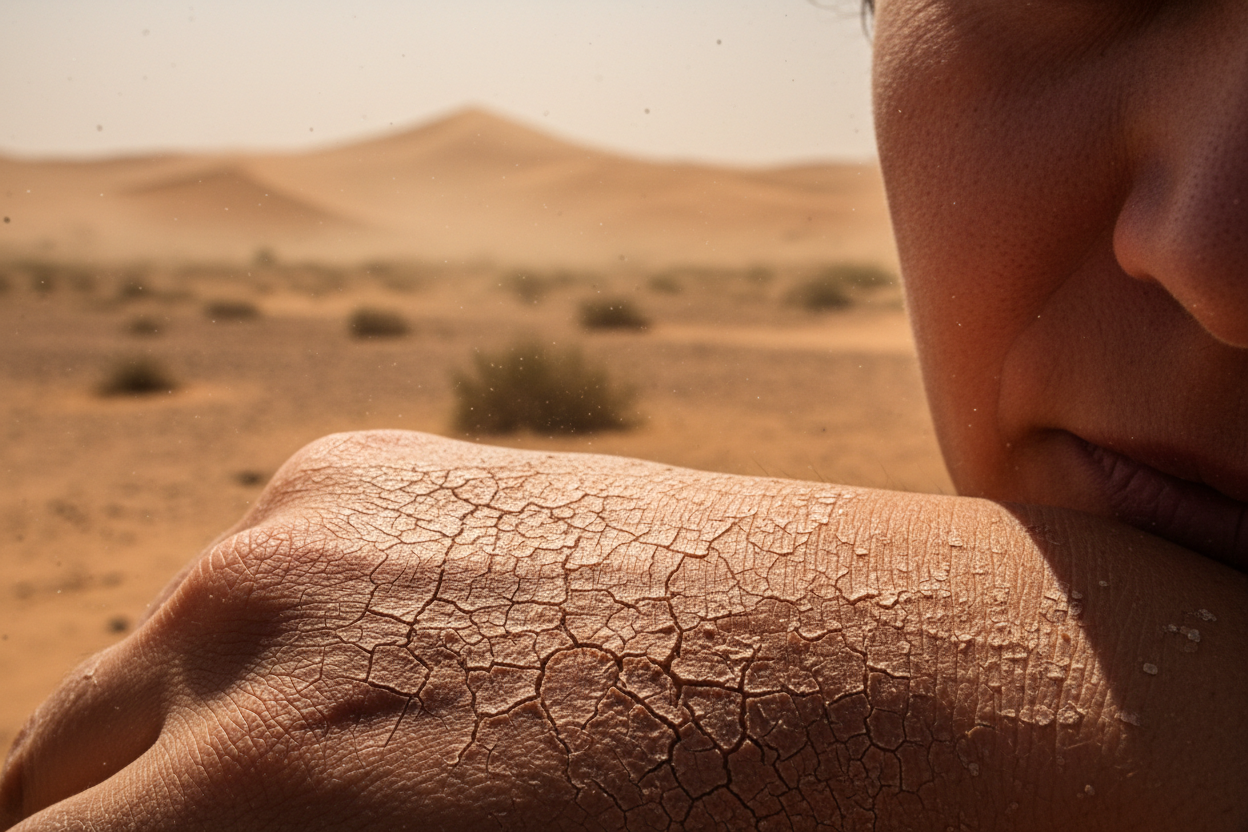
Pakistan experiences a diverse climate that swings from scorching, humid summers to dry, cold winters. These extreme weather shifts, combined with high levels of urban pollution, place significant stress on your skin. Dust and smog trap sweat and excess oil in your pores, leading to frequent breakouts and irritation. Many people unknowingly damage their skin barrier by using harsh cleansers to combat this grime or by skipping sunscreen to avoid a greasy feeling. Developing a customized approach to daily care is the most effective way to protect your skin barrier and maintain a healthy complexion.
Building a personalized regimen starts with identifying your specific needs. Using the wrong products can worsen your existing concerns. For example, applying heavy creams on acne-prone areas or using stripping foams on a flaky face will only cause more damage. A science-backed, personalized regimen ensures you give your skin exactly what it needs to thrive in challenging environments.
Every person has a unique baseline for their skin, but most fall into three primary categories. Recognizing your profile helps you select the right ingredients to combat environmental triggers.
Oily skin produces excess sebum, leaving a shiny appearance across the forehead, nose, and chin. High humidity levels in Pakistan exacerbate this oil production, making the face feel greasy within hours of washing. This excess oil mixes with airborne pollution and dead cells, clogging pores and causing acne breakouts.
Dry skin lacks natural lipids, often feeling tight, rough, or flaky. Dehydration means the skin lacks water, which is common during dry Pakistani winters or when spending long hours in air-conditioned rooms. Without enough moisture, the skin barrier weakens, making it highly susceptible to environmental damage and premature aging.
Sensitive skin reacts quickly to external stressors. It often shows signs of redness, stinging, or itching after applying certain products or facing harsh weather. Smog, dust, and extreme heat act as constant triggers, forcing the immune system to react. This skin type requires an incredibly gentle touch to prevent chronic inflammation.
Crafting the best skincare routine Pakistan requires selecting products tailored to your specific profile. Below are targeted, step-by-step regimens for the three main skin types.
Managing oily skin requires balancing sebum production without stripping away natural moisture. Finding the right skincare routine Pakistan skin types need starts with gentle purification.
Step 1: Gentle Foaming Cleanser
Wash your face twice daily with a gentle, sulfate-free foaming cleanser. This removes excess sebum, sweat, and city pollution without leaving your face feeling tight.
Step 2: Chemical Exfoliant or Treatment
Apply a salicylic acid (BHA) or niacinamide serum. Salicylic acid dives deep into pores to dissolve trapped oil and prevent blackheads. Niacinamide regulates sebum production and visibly reduces the appearance of enlarged pores.
Step 3: Oil-Free Moisturizer
Never skip hydration, even if you feel greasy. Choose a lightweight, gel-based moisturizer containing hyaluronic acid. This provides necessary hydration without clogging pores.
Step 4: Lightweight Sunscreen
Finish your morning routine with a broad-spectrum sunscreen rated SPF 30 to 50. Look for matte, fluid, or gel sunscreens that absorb quickly to control excess shine throughout the day.
Dry skin requires layers of hydration and barrier-repairing ingredients to lock in moisture.
Step 1: Hydrating Cream Cleanser
Use a milky or cream-based cleanser that does not lather heavily. These formulas clean away dirt while depositing moisture back into the skin.
Step 2: Hyaluronic Acid Serum
Apply a hyaluronic acid serum to a slightly damp face. Hyaluronic acid acts like a sponge, drawing water into the outer layers of the skin to instantly relieve tightness.
Step 3: Rich Ceramide Moisturizer
Seal in the hydration with a thick, nourishing cream. Look for ingredients like ceramides, glycerin, and shea butter. Ceramides rebuild the skin’s natural lipid barrier, preventing moisture from escaping into dry air.
Step 4: Facial Oils (Optional)
If you experience extreme flakiness during winter, press a few drops of squalane or rosehip oil over your moisturizer at night. Avoid harsh physical scrubs, which create micro-tears in an already fragile barrier.
A sensitive skincare routine prioritizes soothing ingredients and minimal product layering to reduce the risk of irritation.
Step 1: Fragrance-Free Cleanser
Wash your face with a basic, fragrance-free gel or lotion cleanser. Fragrance is a leading cause of allergic contact dermatitis.
Step 2: Soothing Serums
Stick to calming ingredients like panthenol (Vitamin B5), aloe vera, or centella asiatica. These botanical extracts reduce redness and calm active inflammation caused by heat or pollution.
Step 3: Barrier Repair Cream
Use a simple moisturizer focused strictly on barrier health. Products with minimal ingredient lists lessen the chance of an adverse reaction.
Step 4: Sun Protection
Use a mineral sunscreen containing zinc oxide or titanium dioxide. Mineral filters sit on top of the skin to deflect UV rays and are generally better tolerated by sensitive types than chemical filters. Always patch-test new products behind your ear before applying them entirely.
Adapting your routine to the changing seasons is vital for optimal skin health. During the hot, humid summers, switch to lightweight gels and fluid serums to prevent congestion. When the mild, dry winters arrive, upgrade to richer creams to combat transepidermal water loss.
Urban pollution poses a massive threat to skin integrity. Airborne particulate matter generates free radicals, leading to dullness and hyperpigmentation. Incorporating an antioxidant, such as Vitamin C, into your morning routine neutralizes these free radicals before they cause damage. Additionally, applying daily sunscreen protects your skin from aggressive UV radiation, which worsens post-acne marks and accelerates aging.
Many individuals follow harmful practices that ruin their skin barrier over time. Recognizing these errors will save you from long-term dermatological issues.
First, using harsh whitening creams is incredibly dangerous. Many unregistered fairness creams contain steroids and heavy metals that thin the skin permanently and cause severe rebound pigmentation. Embrace your natural complexion and focus on brightness through overall health.
Second, over-exfoliating damages the acid mantle. Scrubbing your face daily with coarse walnut scrubs or high-percentage acids leads to raw, irritated skin. Limit exfoliation to two times a week.
Third, mixing too many active ingredients overwhelms the skin. Combining retinol, Vitamin C, and chemical peels in a single session causes severe chemical burns. Stick to one active ingredient per routine. Finally, blindly following viral internet trends without considering your unique skin needs often results in disastrous breakouts.
Achieving clear skin relies heavily on consistency rather than the price tag of your products. Applying a basic routine every single day yields far better results than occasionally using an expensive luxury serum. Keep your routine simple. A basic four-step system—cleanse, treat, moisturize, and protect—is highly effective. Complex 10-step routines often lead to product pilling and increased irritation.
Pay close attention to how your face feels. If you notice persistent stinging, severe redness, or sudden cystic breakouts, strip your routine back to just a cleanser and moisturizer. If symptoms persist for more than two weeks, consult a board-certified dermatologist. Early medical intervention prevents permanent scarring and chronic conditions.
You do not need to spend a fortune to achieve excellent results. Pakistan offers a wide variety of affordable, high-quality skincare categories. Many local pharmacies stock excellent dermatologist-recommended brands that cost a fraction of imported luxury items.
When shopping, compare drugstore options with premium products by reading the label. Focus entirely on the active ingredients rather than the brand name or attractive packaging. A basic 2% salicylic acid serum from an affordable pharmacy brand works exactly the same as a luxury version. Invest your money in a good sunscreen and a reliable moisturizer, as these are the protective pillars of your routine.
Understanding your unique needs is the first step toward building a healthy complexion. Whether you manage excess oil, combat dry patches, or soothe persistent redness, selecting the correct ingredients changes everything. Adapting your regimen to Pakistan’s demanding climate ensures your skin barrier remains strong against pollution and extreme weather.
Healthy skin requires patience and daily dedication. Avoid dangerous quick fixes like harsh bleaching creams, and focus instead on gentle, consistent care. Stick to your customized routine, wear your sunscreen every day, and enjoy the long-term benefits of a resilient, radiant complexion.